

Exploring the Versatility of Architectural Expanded Mesh in Modern Design
Dec 07,2025
Exploring the Versatility of Architectural Expanded Mesh in Modern Design
Table of Contents
- What Is Architectural Expanded Mesh?
- The History of Expanded Mesh in Architecture
- Benefits of Using Architectural Expanded Mesh
- Applications of Architectural Expanded Mesh in Modern Design
- Material Options for Architectural Expanded Mesh
- Sustainability and Architectural Expanded Mesh
- Installation Techniques for Expanded Mesh
- Maintenance and Care of Expanded Mesh
- Future Trends in Architectural Expanded Mesh
- Frequently Asked Questions
What Is Architectural Expanded Mesh?
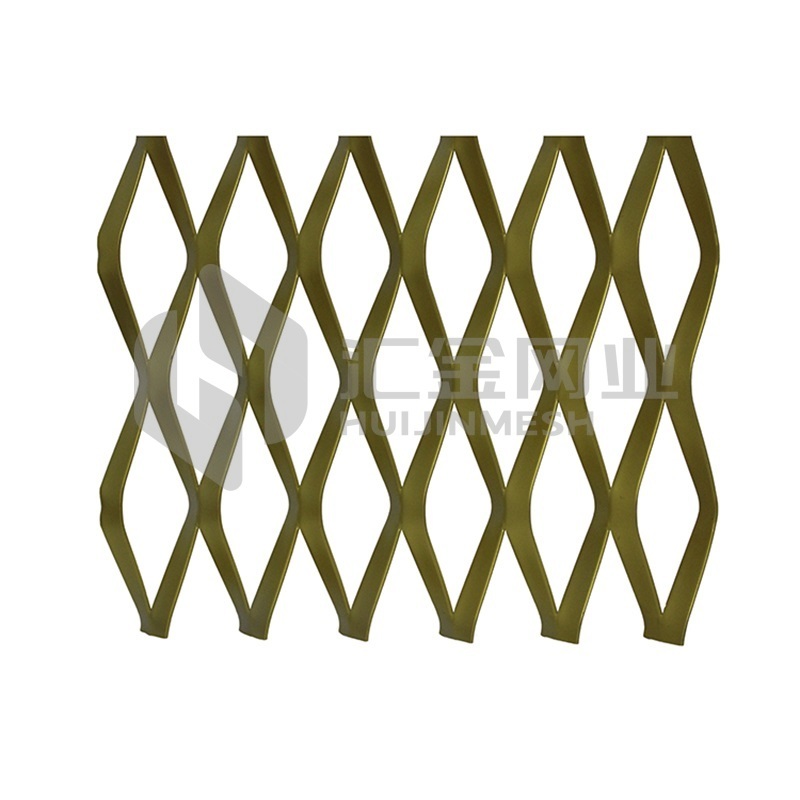
Architectural expanded mesh is a type of material created by slitting and stretching metal sheets to form a mesh-like structure. This technique allows for intricate designs while maintaining strength and durability. The versatility of expanded mesh makes it suitable for a broad range of applications in modern architecture and design. Architects and designers leverage its unique properties to create stunning visual effects while providing functional benefits such as ventilation and light management.
The History of Expanded Mesh in Architecture
The use of expanded mesh can be traced back several decades, with its popularity surging in the late 20th century when architects began to explore contemporary materials. Initially popularized in industrial settings, its aesthetic potential soon captured the attention of designers seeking to blend functionality with artistry. Today, architectural expanded mesh is a staple in modern design, featured in everything from commercial buildings to interior spaces.
Benefits of Using Architectural Expanded Mesh
Architectural expanded mesh offers numerous advantages that appeal to designers, architects, and builders alike. Here are some key benefits:
1. Lightweight Yet Durable
Despite its light weight, architectural expanded mesh exhibits exceptional strength, making it an ideal choice for various structural applications. This characteristic facilitates easier handling and installation, reducing labor costs.
2. Aesthetic Appeal
The unique patterns and textures available in architectural expanded mesh contribute to its aesthetic versatility. Designers can choose from an array of designs to create visually striking installations that capture attention.
3. Enhanced Ventilation and Light Management
Expanded mesh allows for excellent airflow and light penetration, making it suitable for façades and partitions. This property can enhance the energy efficiency of buildings by reducing reliance on artificial lighting and improving indoor air quality.
4. Customizability
With options for various materials, sizes, and finishes, architectural expanded mesh can be customized to meet specific design needs. This level of flexibility enables architects to create bespoke solutions tailored to their projects.
Applications of Architectural Expanded Mesh in Modern Design
Architectural expanded mesh finds applications in several design areas. Here are some of the most popular uses:
Façade Design
Using architectural expanded mesh for building façades has gained traction in urban environments. The material can provide a dynamic appearance while serving as a protective barrier against weather elements. The mesh can also be used to create shading devices, reducing solar heat gain and improving energy efficiency.
Interior Design
In interior spaces, expanded mesh can be employed to create stunning visual partitions or feature walls. Designers can incorporate the material into furniture and fixtures, adding an element of sophistication and style to interiors. Its lightweight nature makes it an ideal choice for decorative elements without overwhelming a space.
Landscaping
Architectural expanded mesh is increasingly utilized in landscaping design. Garden trellises, fencing, and decorative gates crafted from expanded mesh add character to outdoor spaces. Additionally, its durability ensures longevity even in harsh weather conditions, making it a practical choice for landscaping applications.
Material Options for Architectural Expanded Mesh
When it comes to architectural expanded mesh, various materials can be used, each offering unique benefits:
1. Stainless Steel
Stainless steel expanded mesh is known for its corrosion resistance and durability. It is an excellent choice for outdoor applications where exposure to the elements is a concern.
2. Aluminum
Aluminum expanded mesh is lightweight and easy to work with, making it a popular choice for interior and exterior applications. It is also available in various finishes, enhancing its aesthetic appeal.
3. Carbon Steel
Carbon steel offers a robust and cost-effective option for expanded mesh. While it may require protective coatings to prevent rusting, its strength makes it suitable for heavy-duty applications.
Sustainability and Architectural Expanded Mesh
Sustainability is becoming increasingly vital in modern design. Architectural expanded mesh aligns with this trend, offering several eco-friendly advantages:
1. Recyclability
Most materials used for expanded mesh, such as stainless steel and aluminum, are recyclable. This characteristic contributes to reducing waste and promotes a circular economy.
2. Energy Efficiency
By improving natural ventilation and reducing the need for artificial lighting, expanded mesh can contribute to a building's overall energy efficiency. This feature aids in lowering energy consumption, benefiting both the environment and building occupants.
Installation Techniques for Expanded Mesh
Proper installation of architectural expanded mesh is crucial for achieving optimal results. Here are some common techniques used by professionals:
1. Mounting Systems
Different mounting systems are available, including direct attachment, frame mounting, and tensioning systems. The choice of mounting method will depend on the specific application and design considerations.
2. Cutting and Trimming
Cutting expanded mesh requires precision to ensure clean edges. Professional tools and techniques should be used to create the desired shape while maintaining the integrity of the material.
3. Surface Treatments
Applying surface treatments such as powder coating or anodizing can enhance the appearance and protect the mesh from environmental damage, extending its lifespan.
Maintenance and Care of Expanded Mesh
To ensure the longevity of architectural expanded mesh installations, regular maintenance is essential. Here are some tips for proper care:
1. Cleaning
Routine cleaning using mild detergents and soft brushes can help maintain the appearance of expanded mesh. Avoid harsh chemicals that may damage the material's surface.
2. Inspections
Regular inspections can help identify any signs of wear or damage, allowing for timely repairs. This proactive approach can prevent more significant issues in the future.
Future Trends in Architectural Expanded Mesh
As technology advances, the future of architectural expanded mesh looks promising. Here are some emerging trends:
1. Smart Mesh Solutions
Integrating technology with architectural mesh is gaining traction. Smart mesh solutions equipped with sensors for environmental monitoring or energy management could revolutionize building design.
2. Biophilic Design
The blend of architectural expanded mesh with elements of biophilic design is on the rise. By incorporating natural patterns and textures, designers can create spaces that promote well-being and connectivity with nature.
3. Innovative Manufacturing Techniques
Advancements in manufacturing techniques may lead to even more intricate designs and shapes, enhancing the versatility of expanded mesh in architecture.
Frequently Asked Questions
1. What is architectural expanded mesh used for?
Architectural expanded mesh is used for various applications, including building façades, interior partitions, landscaping elements, and decorative features. Its versatility allows for creative uses in both functional and aesthetic contexts.
2. Is expanded mesh durable?
Yes, architectural expanded mesh is designed to be durable and withstand various environmental conditions. Materials like stainless steel and aluminum enhance its longevity.
3. Can expanded mesh be customized?
Absolutely! Architectural expanded mesh can be customized in terms of size, pattern, and finish to meet specific design requirements.
4. How do I clean expanded mesh?
Cleaning expanded mesh typically involves using mild detergents and soft brushes. It is essential to avoid harsh chemicals that may damage the material.
5. What are the sustainability benefits of using expanded mesh?
Expanded mesh is often made from recyclable materials and can enhance energy efficiency in buildings by improving ventilation and natural light penetration.
Conclusion
Architectural expanded mesh represents a powerful tool in modern design, offering a unique blend of aesthetic appeal and practical functionality. Its versatility enables architects and designers to push the boundaries of creativity while addressing crucial factors such as sustainability and energy efficiency. As we look to the future, the continued evolution of expanded mesh will undoubtedly inspire innovative solutions in architectural design, making it an essential element in the toolkit of modern creatives. Through its diverse applications—from façades to interior spaces and landscaping—architectural expanded mesh stands as a testament to the fusion of form and function in contemporary design.
Your One Stop, One Solution!
In the future, Huijin Company will adhere to the philosophy of excellence and customer first, continue to introduce new equipment, absorb new technology, develop new products and provide best procurement plan for every customer.
CONTACT US
Email:carol.feng@huijinwiremesh.com
Phone:+8618661612521
Whatsapp:+8618661612521
Add: 150 Nanhuan Road, Hengshui, Hebei, China
FOLLOW US


