

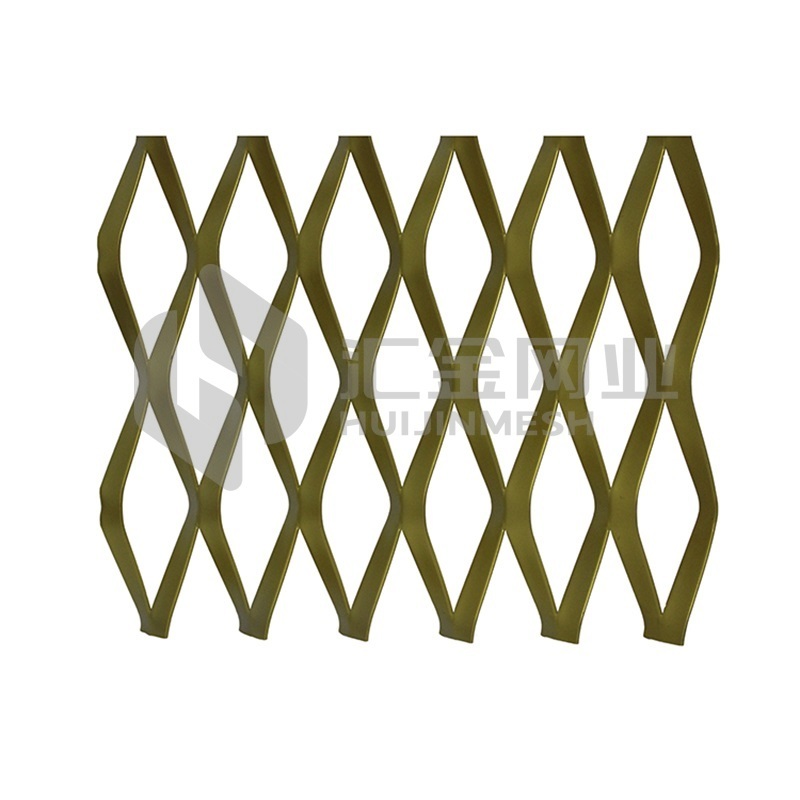
Exploring the Versatility of Architectural Expanded Mesh in Construction and Design
Dec 10,2025
Architectural expanded mesh is a versatile and innovative material widely used in the construction and decoration industry. It is manufactured by cutting and stretching a flat sheet of metal, resulting in a series of interconnected openings that create a lightweight yet robust structure. This unique property makes it an attractive option for a variety of applications, from facades to interior design elements.
One of the primary advantages of architectural expanded mesh is its ability to combine strength and flexibility. The mesh structure provides excellent load-bearing capabilities while allowing for airflow and light penetration, making it ideal for applications such as sunshades, privacy screens, and safety barriers. Additionally, the open design of expanded mesh can help reduce wind loads on buildings, contributing to a more sustainable and energy-efficient structure.
Architectural expanded mesh is not only functional but also visually appealing. It comes in a variety of patterns, materials, and finishes, enabling architects and designers to create unique and striking designs that enhance the overall aesthetic of a building. The versatility of architectural expanded mesh allows it to be used in various projects, from commercial buildings to residential homes, and its flexibility in design can complement different architectural styles.
In terms of sustainability, architectural expanded mesh is often made from recyclable materials, making it an eco-friendly option for modern construction projects. The lightweight nature of the mesh also reduces transportation costs and energy consumption during installation, further contributing to its sustainability credentials.
Moreover, maintenance is minimal due to the corrosion resistance of materials like aluminum and stainless steel commonly used in the production of architectural expanded mesh. This durability ensures that the mesh retains its appearance and structural integrity over time, making it a cost-effective choice for long-term applications.
Architectural expanded mesh can also play a role in enhancing safety in building construction. Its ability to act as a barrier while still allowing visibility makes it suitable for applications such as balustrades and guardrails, providing protection without sacrificing aesthetics.
In conclusion, architectural expanded mesh is an essential component in modern construction and design, offering a unique combination of strength, flexibility, and aesthetic appeal. Its versatility allows it to be utilized in a wide range of applications, making it a favored choice among architects and builders. Whether for functional elements or decorative features, architectural expanded mesh proves to be an invaluable asset in the building materials industry.
Your One Stop, One Solution!
In the future, Huijin Company will adhere to the philosophy of excellence and customer first, continue to introduce new equipment, absorb new technology, develop new products and provide best procurement plan for every customer.
CONTACT US
Email: aliyyah@huijinwiremesh.com
Phone: +8615633075373
WhatsApp: +8615633075373
Add: NO.150 WEST OF HEHUANG ROAD, ANPING COUNTY, HENGSHUI, HEBEI, CHINA
FOLLOW US


