

Exploring the Versatility and Applications of Architectural Expanded Mesh
Dec 04,2025
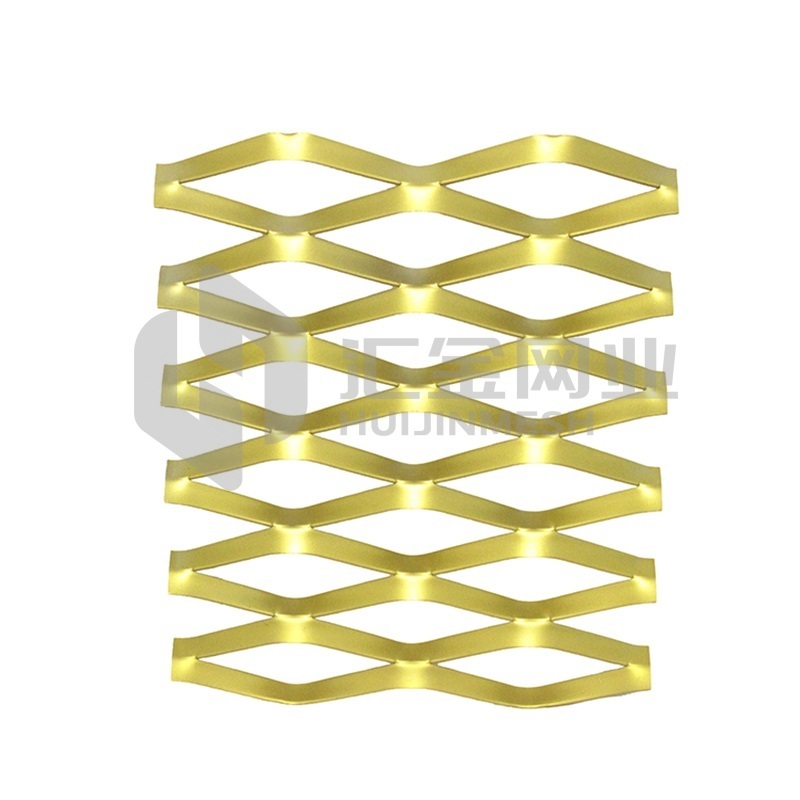
Architectural expanded mesh is an advanced material that has garnered attention in the fields of architecture and design due to its versatility and unique properties. This type of mesh is created by taking a flat sheet of metal and cutting it into a series of diamond-shaped openings, which are then expanded through a mechanical process. The result is a lightweight yet robust material that offers both structural integrity and aesthetic appeal.
One of the primary advantages of architectural expanded mesh is its ability to allow for ventilation and light transmission. This makes it an excellent choice for outdoor applications such as facades, sunshades, and walkways. By utilizing expanded mesh, architects can create designs that not only look appealing but also provide practical benefits, such as reducing energy consumption by minimizing the need for artificial lighting.
In addition to its functional benefits, architectural expanded mesh is highly customizable. It can be manufactured in various materials, including stainless steel, aluminum, and other alloys, which allows for a wide range of finishes and colors. This adaptability means that it can be seamlessly integrated into different architectural styles, from modern to traditional, making it a popular choice for both commercial and residential projects.
Another noteworthy aspect of architectural expanded mesh is its durability. The materials used in its production are often resistant to corrosion and wear, making expanded mesh suitable for both indoor and outdoor use. This longevity ensures that structures utilizing this material maintain their aesthetic and functional qualities over time, reducing the need for frequent repairs or replacements.
Moreover, architectural expanded mesh is also eco-friendly. Its production process can be designed to minimize waste, and its lightweight nature reduces transportation costs and energy consumption during installation. As sustainability becomes increasingly important in construction and design, the incorporation of expanded mesh aligns well with environmentally conscious practices.
The applications of architectural expanded mesh are vast. It is commonly used in building facades, interior partitions, ceilings, and even as decorative accents. Additionally, it can be utilized in landscaping projects, such as garden screens or trellises, adding both visual interest and structural support.
In conclusion, architectural expanded mesh is a remarkable material that combines functionality, aesthetic flexibility, and sustainability. Its ability to enhance both the form and function of architectural designs makes it an invaluable asset in the construction and decorative materials industry. As architects and designers continue to seek innovative solutions for their projects, the use of expanded mesh is likely to grow, influencing the future of architecture and design.
Your One Stop, One Solution!
In the future, Huijin Company will adhere to the philosophy of excellence and customer first, continue to introduce new equipment, absorb new technology, develop new products and provide best procurement plan for every customer.
CONTACT US
Email:carol.feng@huijinwiremesh.com
Phone:+8618661612521
Whatsapp:+8618661612521
Add: 150 Nanhuan Road, Hengshui, Hebei, China
FOLLOW US


