

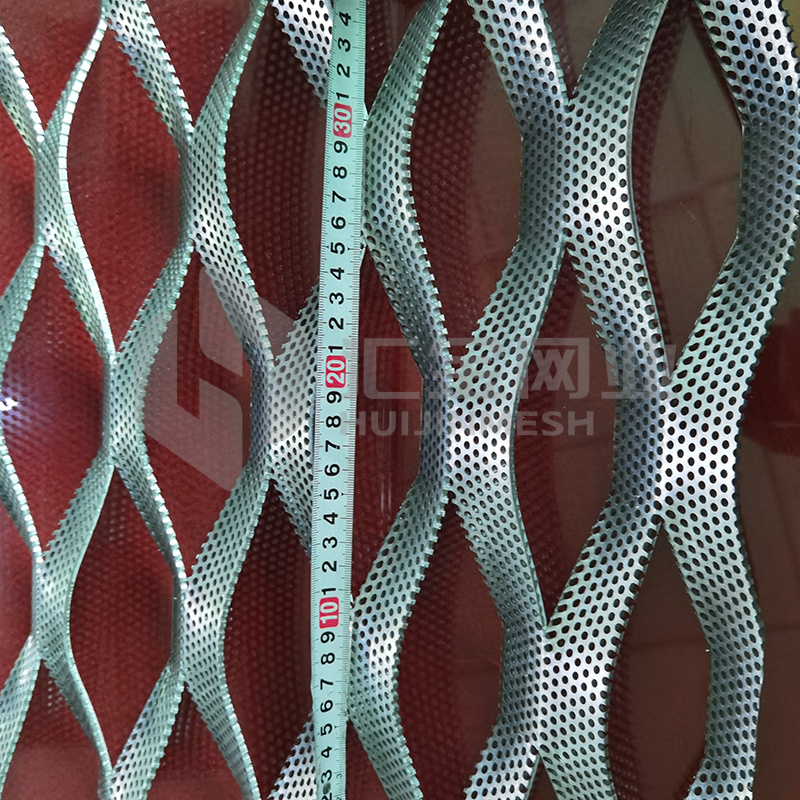
Why Choose Round Hole Perforated Metal for Your Next Construction Project?
Nov 25,2025
Why Choose Round Hole Perforated Metal for Your Next Construction Project?
Table of Contents
- Introduction to Round Hole Perforated Metal
- What Is Round Hole Perforated Metal?
- Advantages of Round Hole Perforated Metal
- Aesthetic Appeal in Design
- Versatility Across Applications
- Durability and Longevity
- Cost-Effectiveness and Sustainability
- Applications of Round Hole Perforated Metal
- How to Choose the Right Perforated Metal for Your Project
- Installation Considerations
- Maintenance Tips for Perforated Metal
- Frequently Asked Questions
- Conclusion
Introduction to Round Hole Perforated Metal
In the realm of construction materials, **round hole perforated metal** stands out as a versatile and aesthetically pleasing choice. Its unique design not only provides functional benefits but also enhances the overall appeal of various structures. As the demand for innovative construction solutions grows, understanding the advantages of round hole perforated metal becomes essential for architects, builders, and designers.
What Is Round Hole Perforated Metal?
Round hole perforated metal is essentially a sheet of metal that has been systematically punched with circular holes. The size, spacing, and thickness of the holes can vary based on specific application requirements. Common materials used for creating perforated metal include aluminum, stainless steel, and mild steel, making it adaptable to a wide range of environments.
Advantages of Round Hole Perforated Metal
When choosing materials for a construction project, understanding the distinct advantages of round hole perforated metal is crucial. Below, we detail some of the most significant benefits.
Aesthetic Appeal in Design
**Round hole perforated metal** offers an unparalleled aesthetic appeal, making it a popular choice for architectural applications. The even, circular holes create a visually pleasing pattern that can enhance the design of facades, ceilings, and partitions. It provides a modern look, conveying a sense of sophistication and style.
Versatility Across Applications
One of the standout features of round hole perforated metal is its **versatility**. It can be used in various contexts, from residential developments to commercial spaces. Whether it's for cladding, railing infills, or decorative screens, round hole perforated metal adapts seamlessly to a multitude of designs and functions.
Durability and Longevity
**Durability** is a critical factor in construction materials, and round hole perforated metal excels in this regard. Its robust nature allows it to withstand harsh weather conditions, resist corrosion, and endure wear and tear over time. This longevity means fewer replacements and reduced maintenance needs, making it a wise investment.
Cost-Effectiveness and Sustainability
In the long run, opting for round hole perforated metal can lead to significant cost savings. Its durability translates to lower maintenance and replacement costs. Additionally, many manufacturers utilize sustainable practices in production, making it an eco-friendly choice that aligns with modern environmental standards.
Applications of Round Hole Perforated Metal
The applications of round hole perforated metal span a wide range of industries. Understanding these applications can help you determine its suitability for your project.
Architectural Applications
In architecture, round hole perforated metal is frequently used for exterior cladding, sunshades, and decorative elements. Its ability to provide light filtration while maintaining privacy makes it ideal for building facades. Additionally, designers often incorporate it into interior design for features like room dividers and acoustic panels.
Industrial Applications
In industrial settings, round hole perforated metal serves functional roles such as filtration, ventilation, and safety barriers. Its design allows for optimal airflow while ensuring security and structural integrity. In manufacturing environments, it is often used for machinery guards, ensuring safety without sacrificing visibility.
How to Choose the Right Perforated Metal for Your Project
When selecting round hole perforated metal, several factors come into play:
1. **Material Type**: Choose between aluminum, steel, or other materials based on the environmental conditions and aesthetic preferences.
2. **Hole Size and Pattern**: Consider the desired visual effect and functionality when determining hole size and pattern spacing.
3. **Thickness**: The thickness of the metal influences its strength and durability. Select a thickness that meets the demands of your project without exceeding budget constraints.
4. **Finish**: The surface finish can enhance corrosion resistance and aesthetics. Options include powder coating, anodizing, and galvanizing.
Installation Considerations
Proper installation of round hole perforated metal is critical to its performance and longevity. Here are some key considerations:
- **Structural Support**: Ensure that the underlying structure can support the weight of the perforated metal.
- **Alignment**: Maintain precise alignment during installation for a professional finish.
- **Fastening Methods**: Choose appropriate fastening methods that suit the material type and application, whether it be screws, rivets, or welds.
Maintenance Tips for Perforated Metal
To ensure the longevity of round hole perforated metal, regular maintenance is essential:
- **Cleaning**: Periodically clean the surface to remove dirt and debris, using mild detergents and soft brushes.
- **Inspection**: Regularly inspect for signs of corrosion or damage, particularly in harsh environments, to address issues promptly.
- **Touch-Ups**: If any protective coating is damaged, consider reapplying to maintain corrosion resistance.
Frequently Asked Questions
1. What are the common materials used for round hole perforated metal?
Common materials include aluminum, stainless steel, and mild steel, chosen based on specific project needs.
2. How does round hole perforated metal enhance acoustics?
The design of perforated metal can help absorb sound, making it a suitable choice for spaces that require sound control.
3. Can round hole perforated metal be customized?
Yes, it can be customized in terms of hole size, pattern, thickness, and finish to meet specific design and functional requirements.
4. Is round hole perforated metal suitable for outdoor use?
Absolutely, especially when made from corrosion-resistant materials like aluminum or stainless steel.
5. What is the typical lifespan of round hole perforated metal?
With proper maintenance and depending on material, it can last several decades, making it a durable choice for construction.
Conclusion
In summary, round hole perforated metal is an excellent choice for any construction project, offering a blend of aesthetic appeal, durability, and versatility. From architectural designs that enhance visual interest to industrial applications that prioritize safety, its benefits are vast. By understanding its advantages and applications, we can confidently select round hole perforated metal to elevate our next construction endeavor. Embracing this innovative material not only meets our functional needs but also contributes to a visually striking outcome that stands the test of time.
Your One Stop, One Solution!
In the future, Huijin Company will adhere to the philosophy of excellence and customer first, continue to introduce new equipment, absorb new technology, develop new products and provide best procurement plan for every customer.
CONTACT US
Email:carol.feng@huijinwiremesh.com
Phone:+8618661612521
Whatsapp:+8618661612521
Add: 150 Nanhuan Road, Hengshui, Hebei, China
FOLLOW US


