

Exploring the Versatility and Applications of Round Hole Perforated Metal
Nov 22,2025
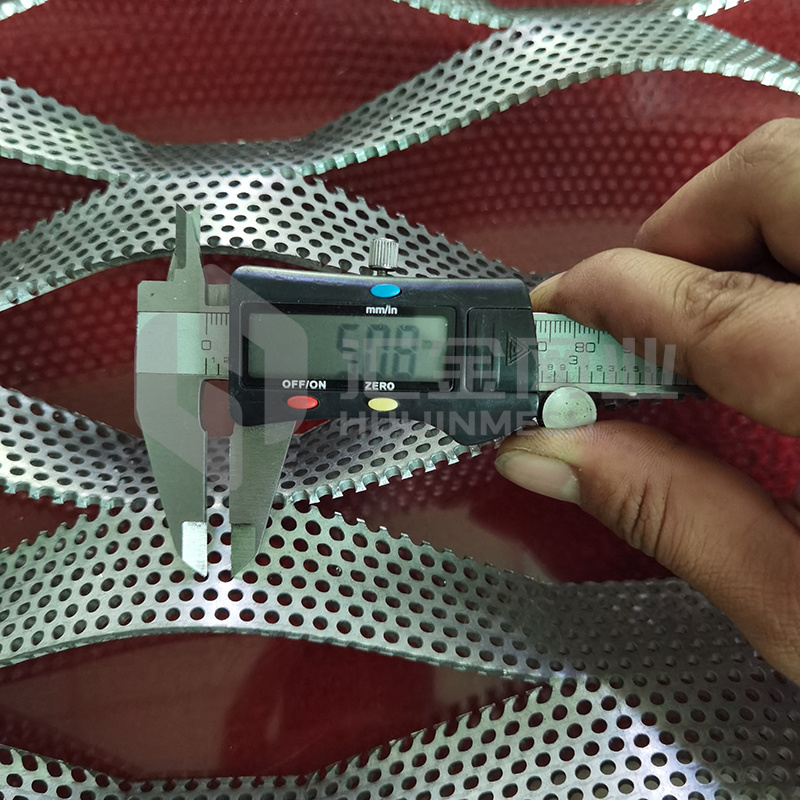
Round hole perforated metal is crafted by punching uniform holes into sheets of metal, creating a series of round openings. This process not only enhances the visual appeal of the material but also serves practical purposes across multiple sectors. One of the primary advantages of round hole perforated metal is its excellent ventilation properties. The round holes facilitate airflow, making it an ideal choice for applications where air circulation is crucial, such as in HVAC systems or acoustic panels.
Additionally, the perforations allow for the reduction of weight without compromising strength. This characteristic is particularly valued in construction, where lighter materials can ease the load on structural elements, ultimately leading to cost-effective designs. The aesthetic versatility of round hole perforated metal also cannot be overlooked. Available in various patterns, sizes, and finishes, it can be customized to fit the specific design requirements of any project, whether for interior decor or exterior facades.
In terms of applications, round hole perforated metal is widely used in architecture and interior design. It serves as an attractive screen or panel in office partitions, allowing for a balance of privacy and openness. Furthermore, it is frequently utilized in decorative ceilings, wall cladding, and railings, adding a modern touch to any space. The material is also commonly found in furniture design, where its unique texture and visual dynamics can enhance the overall aesthetic of a piece.
Another significant application of round hole perforated metal is in industrial settings. It is often used for filtration systems, where the perforations allow for the selective passage of materials, contributing to the efficiency of various processes. In landscaping, this type of metal can be used in outdoor furniture, decorative fencing, and even as a design element in garden structures.
Maintenance of round hole perforated metal is typically straightforward. Depending on the material used, it may require periodic cleaning to remove dust and debris, ensuring that its appearance and functionality are preserved over time.
In conclusion, round hole perforated metal stands out as a versatile material that combines practicality with aesthetic appeal. Its applications span across architectural design, interiors, and industrial uses, making it a valuable addition to any project. Whether you are looking to improve ventilation, enhance design, or reduce weight in construction, round hole perforated metal offers a myriad of benefits that can help you achieve your goals effectively.
Additionally, the perforations allow for the reduction of weight without compromising strength. This characteristic is particularly valued in construction, where lighter materials can ease the load on structural elements, ultimately leading to cost-effective designs. The aesthetic versatility of round hole perforated metal also cannot be overlooked. Available in various patterns, sizes, and finishes, it can be customized to fit the specific design requirements of any project, whether for interior decor or exterior facades.
In terms of applications, round hole perforated metal is widely used in architecture and interior design. It serves as an attractive screen or panel in office partitions, allowing for a balance of privacy and openness. Furthermore, it is frequently utilized in decorative ceilings, wall cladding, and railings, adding a modern touch to any space. The material is also commonly found in furniture design, where its unique texture and visual dynamics can enhance the overall aesthetic of a piece.
Another significant application of round hole perforated metal is in industrial settings. It is often used for filtration systems, where the perforations allow for the selective passage of materials, contributing to the efficiency of various processes. In landscaping, this type of metal can be used in outdoor furniture, decorative fencing, and even as a design element in garden structures.
Maintenance of round hole perforated metal is typically straightforward. Depending on the material used, it may require periodic cleaning to remove dust and debris, ensuring that its appearance and functionality are preserved over time.
In conclusion, round hole perforated metal stands out as a versatile material that combines practicality with aesthetic appeal. Its applications span across architectural design, interiors, and industrial uses, making it a valuable addition to any project. Whether you are looking to improve ventilation, enhance design, or reduce weight in construction, round hole perforated metal offers a myriad of benefits that can help you achieve your goals effectively.
Your One Stop, One Solution!
In the future, Huijin Company will adhere to the philosophy of excellence and customer first, continue to introduce new equipment, absorb new technology, develop new products and provide best procurement plan for every customer.
CONTACT US
Email:carol.feng@huijinwiremesh.com
Phone:+8618661612521
Whatsapp:+8618661612521
Add: 150 Nanhuan Road, Hengshui, Hebei, China
FOLLOW US


