

Exploring the Versatility of Round Hole Perforated Metal in Architecture and Design
Nov 28,2025
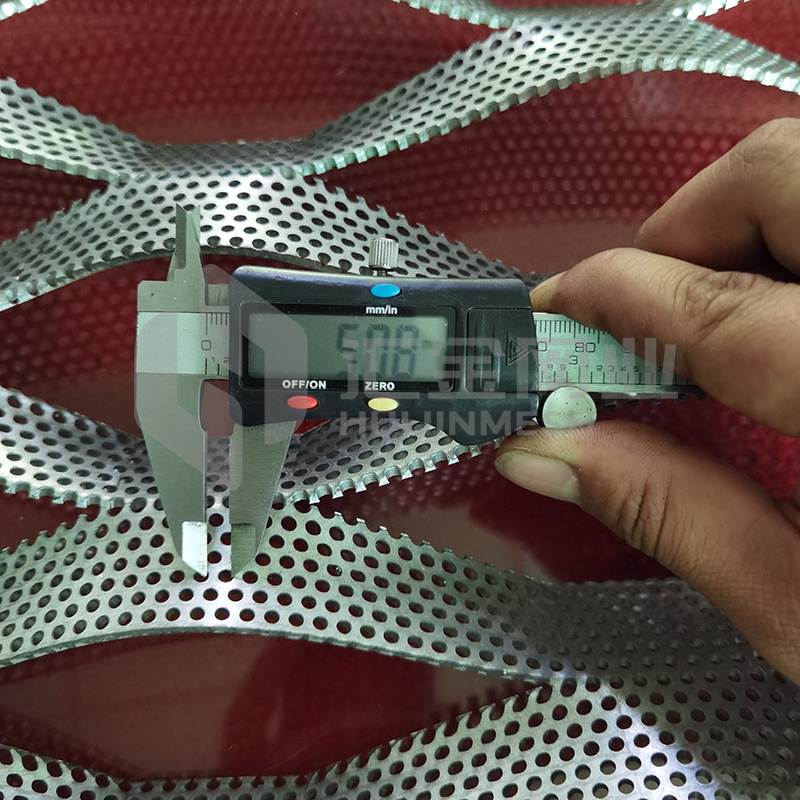
Round hole perforated metal is a highly versatile material utilized in various architectural and design applications. Characterized by its array of evenly spaced round holes, this type of perforated metal offers a unique blend of functionality and visual appeal that makes it an increasingly popular choice in the construction and decorative materials industry.
One of the primary benefits of round hole perforated metal is its lightweight yet durable nature. This makes it suitable for a range of applications, from facades and ceiling panels to decorative screens and room dividers. The arrangement of holes can be customized to meet specific design requirements, allowing architects and designers to create stunning visual effects while maintaining structural integrity.
A significant advantage of using round hole perforated metal is its ability to enhance ventilation and light distribution. When incorporated into building designs, this material can facilitate airflow and natural light, promoting a more comfortable indoor environment. This is particularly beneficial in commercial spaces, where proper ventilation and lighting can contribute to energy efficiency and occupant well-being.
Furthermore, round hole perforated metal can also serve as a noise reduction solution. The holes can help absorb sound waves, making it an ideal choice for applications in urban settings or noisy environments. By minimizing noise pollution, designers can create spaces that are not only visually appealing but also conducive to productivity and relaxation.
In addition to its practical benefits, round hole perforated metal offers a myriad of aesthetic possibilities. The patterns created by the perforation can be tailored to suit various design styles, from modern and minimalist to more intricate and decorative approaches. This adaptability allows designers to incorporate perforated metal in ways that enhance the overall theme and character of a space, making it a favored option for both interior and exterior applications.
The manufacturing process for round hole perforated metal is also worth noting. Typically, the material is produced from various metals, such as aluminum, steel, or stainless steel, which can be treated to enhance corrosion resistance and durability. As a result, this material can withstand harsh environmental conditions, making it suitable for both indoor and outdoor use.
In summary, round hole perforated metal represents a unique and functional solution in the architecture and design sectors. By combining aesthetic flexibility with practical advantages such as ventilation, sound absorption, and durability, this material continues to gain popularity among professionals seeking innovative ways to enhance their projects. Whether for decorative or functional purposes, round hole perforated metal proves to be a valuable asset in the modern architectural landscape.
Your One Stop, One Solution!
In the future, Huijin Company will adhere to the philosophy of excellence and customer first, continue to introduce new equipment, absorb new technology, develop new products and provide best procurement plan for every customer.
CONTACT US
Email: aliyyah@huijinwiremesh.com
Phone: +8615633075373
WhatsApp: +8615633075373
Add: NO.150 WEST OF HEHUANG ROAD, ANPING COUNTY, HENGSHUI, HEBEI, CHINA
FOLLOW US


