

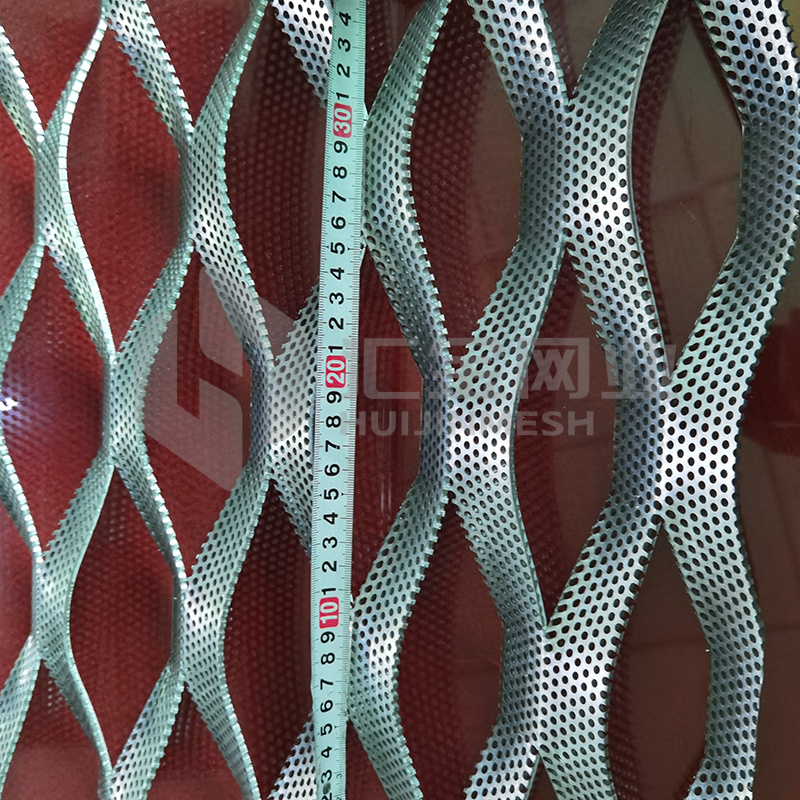
Innovative Uses for Round Hole Perforated Metal in Modern Architecture
Nov 19,2025
Innovative Uses for Round Hole Perforated Metal in Modern Architecture
Introduction to Perforated Metal in Architecture
Round hole perforated metal has increasingly become a staple in modern architecture. This versatile material, known for its unique blend of functionality and aesthetics, is used in various applications, from facades to interior design elements. Its ability to combine form and function makes it an ideal choice for architects and designers looking to push boundaries while adhering to practical needs.
The Versatility of Round Hole Perforated Metal
Round hole perforated metal is not just about aesthetics; it brings a multitude of benefits to modern architectural projects. Its applications are as diverse as its designs. Here are some innovative uses that highlight its versatility:
1. Enhancing Building Facades
Facades serve as the first line of defense against the elements and play a crucial role in a building's overall aesthetic. Round hole perforated metal panels can create dynamic visual patterns, allowing for creative expression. These panels can also control light and airflow, providing a balance between functionality and artistic design.
2. Sustainable Building Solutions
Sustainability is at the forefront of modern architecture, and round hole perforated metal contributes significantly to this goal. The material is often made from recycled metals, and its perforated design can enhance energy efficiency. For instance, these panels can be used to create shading devices that reduce solar heat gain, thereby lowering energy consumption for air conditioning.
3. Privacy without Compromising Light
In urban settings, privacy can be a challenge. Round hole perforated metal allows for the creation of privacy screens that maintain visibility and daylight. This innovative use is particularly beneficial in residential buildings or office spaces where maintaining a connection to the outside environment is desired while ensuring privacy.
4. Acoustic Solutions in Design
Noise control is a vital aspect of modern architecture, especially in bustling urban environments. Round hole perforated metal can be designed to absorb sound, making it an excellent choice for walls and ceilings in commercial spaces. This not only enhances comfort but also improves the overall acoustics of a building.
4.1 Reducing Echoes in Public Spaces
In public areas such as airports or conference centers, excessive noise can lead to discomfort. Incorporating round hole perforated metal into the design can help reduce echoes, creating a more pleasant experience for visitors.
4.2 Creating Quiet Zones
In corporate settings, establishing quiet zones is crucial for productivity. Utilizing perforated metal in office partitions can help create these spaces without shutting off natural light, offering employees an ideal environment to focus.
5. Decorative Elements and Art Installations
Round hole perforated metal is not just functional; it is also a canvas for artistic expression. Designers are increasingly using this material for decorative features and unique art installations, adding character to spaces. The ability to fabricate custom patterns allows for endless creativity.
Case Studies of Round Hole Perforated Metal in Modern Architecture
To understand the innovative applications of round hole perforated metal, let’s take a look at some notable case studies that have effectively showcased this material.
1. The Apple Park, Cupertino, California
Apple Park, the headquarters of Apple Inc., features stunning round hole perforated metal as part of its exterior design. The uniquely designed panels not only provide aesthetic appeal but also enhance sustainability through energy-efficient shading.
2. The Serpentine Pavilion, London
In a temporary installation, the Serpentine Pavilion utilized round hole perforated metal to create a dynamic play of light and shadow. The design allowed visitors to experience the interplay between nature and architecture, showcasing how perforated metal can enhance a space’s atmosphere.
3. National Gallery of Australia, Canberra
The National Gallery of Australia has incorporated round hole perforated metal in its renovations, allowing for better light regulation and temperature control. This application demonstrates the material's dual role in enhancing both functionality and design.
Benefits of Using Round Hole Perforated Metal in Architecture
The advantages of incorporating round hole perforated metal into architectural designs are numerous, making it a favorite among architects. Here are some key benefits:
1. Durability and Maintenance
One of the primary benefits of round hole perforated metal is its durability. Metal panels are resistant to corrosion, ensuring that they maintain their appearance and structural integrity over time. Additionally, they require minimal maintenance compared to other materials.
2. Lightweight and Easy to Install
Round hole perforated metal is lightweight, which simplifies the installation process. This attribute can significantly cut down on labor costs and time, enabling architects to focus on other aspects of their projects.
3. Cost-Effectiveness
While the initial investment in round hole perforated metal may be higher than other materials, its longevity and low maintenance requirements make it a cost-effective choice in the long run.
4. Aesthetic Flexibility
The aesthetic possibilities with round hole perforated metal are virtually limitless. From different hole sizes and patterns to various finishes, architects can tailor the material to meet specific design needs, ensuring that it complements the overall vision of the project.
Future Trends in Perforated Metal Applications
As architecture continues to evolve, so will the applications of round hole perforated metal. Here are a few anticipated trends to watch for:
1. Integration with Smart Technology
The integration of smart technology with perforated metal is on the rise. For instance, panels equipped with sensors can help monitor environmental conditions, enhancing building efficiency and occupant comfort.
2. Customization through 3D Printing
The advent of 3D printing technology will allow for greater customization of round hole perforated metal. Architects can design bespoke panels that meet unique spatial requirements, leading to more innovative structures.
3. Increased Focus on Sustainable Practices
As sustainability becomes an even more pressing concern, expect to see round hole perforated metal used in more eco-friendly designs. Architects will likely continue to explore its potential for reducing energy consumption and utilizing recycled materials.
Frequently Asked Questions (FAQs)
1. What is round hole perforated metal?
Round hole perforated metal is a type of metal sheet that has been engineered with a series of holes. These holes can vary in size and spacing, allowing for a range of applications in architecture.
2. How does round hole perforated metal improve energy efficiency?
The perforated design allows for controlled airflow and light filtration, reducing the need for artificial heating and cooling. This can lead to significant energy savings in buildings.
3. Can perforated metal be used indoors?
Yes, round hole perforated metal is versatile enough for both indoor and outdoor applications. It can be used for decorative elements, partitions, and even ceilings.
4. What materials are commonly used for perforated metal?
Common materials include aluminum, stainless steel, and carbon steel. Each material offers different benefits in terms of durability, weight, and cost.
5. Is round hole perforated metal cost-effective?
While the upfront cost can be higher than traditional materials, its durability, low maintenance, and longevity make it a cost-effective option over time.
Conclusion
Round hole perforated metal is transforming the landscape of modern architecture by offering a unique combination of functionality and aesthetic appeal. Its versatility allows for innovative applications in building facades, sustainable design, sound control, and artistic expression. As we move forward, the integration of smart technologies and sustainable practices will further enhance the role of this material in architectural design. Embracing round hole perforated metal could be the key to creating the structures of tomorrow, where beauty and functionality coexist harmoniously.
Your One Stop, One Solution!
In the future, Huijin Company will adhere to the philosophy of excellence and customer first, continue to introduce new equipment, absorb new technology, develop new products and provide best procurement plan for every customer.
CONTACT US
Email:carol.feng@huijinwiremesh.com
Phone:+8618661612521
Whatsapp:+8618661612521
Add: 150 Nanhuan Road, Hengshui, Hebei, China
FOLLOW US


