

Why Slotted Perforated Panels Are Essential for Modern Manufacturing
Nov 10,2026
Understanding Slotted Perforated Panels and Their Importance in Manufacturing
Slotted perforated panels have become a fundamental component in modern manufacturing environments. Their unique design, characterized by precise slots and holes, provides manufacturers with a range of advantages that support efficiency, safety, and innovation. In this article, we delve into the significance of slotted perforated panels, examining their various applications and benefits.
The Anatomy of Slotted Perforated Panels
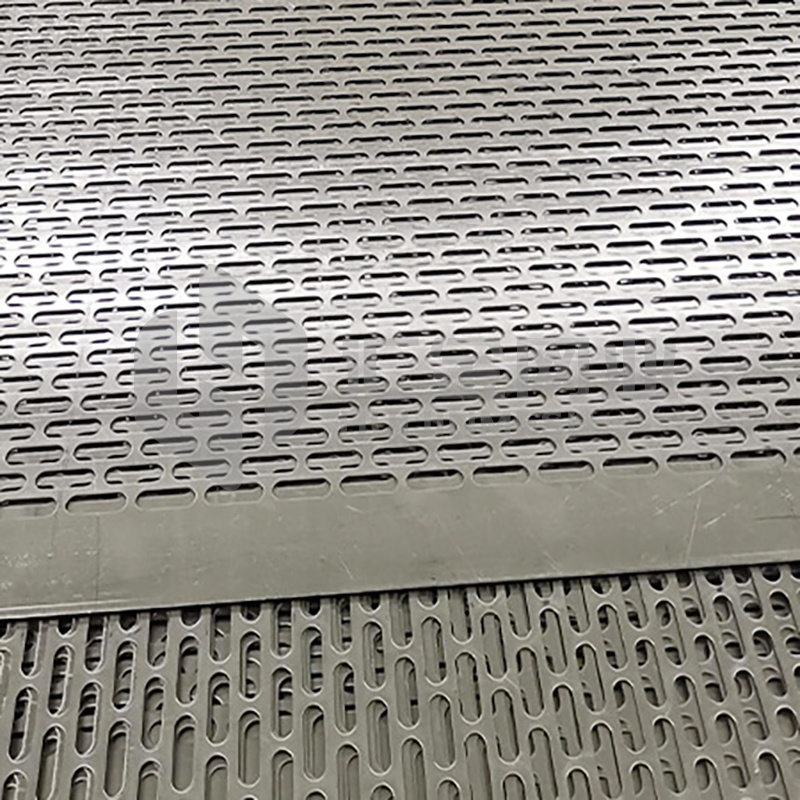
To appreciate the role of slotted perforated panels, it’s essential to understand their structure. Typically made from materials like metal or plastic, these panels feature a series of slots and holes that allow for air circulation, drainage, and visibility. The design not only enhances functionality but also provides aesthetic appeal, making them suitable for various environments.
Construction Materials That Enhance Performance
Slotted perforated panels can be crafted from several materials, including:
- **Stainless Steel**: Known for its durability and resistance to corrosion, stainless steel panels are ideal for environments exposed to moisture or chemicals.
- **Aluminum**: Lightweight yet strong, aluminum panels are often used in applications where weight reduction is crucial.
- **Plastic Composites**: For more specialized environments, plastic panels can provide versatility and resistance to specific chemicals.
Customized Designs for Diverse Applications
Manufacturers often require custom perforation patterns to meet specific operational needs. Custom designs can enhance airflow, reduce weight, and provide tailored solutions for unique manufacturing challenges.
The Multifaceted Applications of Slotted Perforated Panels
Slotted perforated panels are utilized across various industries due to their adaptability. Here are some key applications:
1. Air Filtration Systems
In air filtration systems, slotted panels are crucial for promoting airflow while trapping contaminants. Their design allows for optimal filtration efficiency, ensuring clean air is maintained in production environments.
2. Acoustic Panels
Slotted panels are also employed as acoustic solutions to minimize noise pollution. Their ability to absorb sound waves makes them instrumental in creating quieter manufacturing spaces, enhancing productivity and worker comfort.
3. Industrial Shelving and Racking Systems
In storage solutions, slotted perforated panels provide adjustable shelving options. This flexibility allows for the efficient organization of materials, accommodating varying sizes and weights while ensuring safety and ease of access.
4. Machine Guards and Safety Barriers
Safety is paramount in manufacturing. Slotted perforated panels serve as protective barriers, offering visibility while maintaining safety standards. They can prevent accidents without obstructing the view of machinery operations.
5. Decorative Elements in Manufacturing Environments
Beyond functionality, slotted perforated panels can enhance the aesthetic appeal of manufacturing facilities. Their design can contribute to a modern industrial look that promotes a positive brand image.
Benefits of Using Slotted Perforated Panels
The adoption of slotted perforated panels brings numerous advantages to manufacturing processes. Here are some key benefits:
1. Enhanced Ventilation and Airflow
The perforated design allows for superior airflow, crucial for cooling machinery and ensuring optimal operating temperatures. This can lead to reduced energy costs and improved equipment longevity.
2. Weight Reduction and Material Efficiency
Because they are designed with slots and holes, slotted perforated panels can significantly reduce weight compared to solid panels. This reduction not only cuts material costs but also makes handling and installation easier.
3. Increased Safety and Compliance
Incorporating slotted panels into safety systems can enhance compliance with industry regulations. Their design allows for visibility, enabling workers to monitor equipment and surroundings effectively, thereby minimizing risks.
4. Customizability and Versatility
The ability to customize perforation patterns and panel sizes means that manufacturers can tailor solutions to specific needs. This versatility can improve operational efficiency and product outcomes.
5. Cost-Effective Solutions
With their durability and efficiency, slotted perforated panels represent a cost-effective solution for many manufacturing challenges. Their long lifespan and low maintenance requirements further contribute to overall savings.
Installation and Maintenance Considerations
Proper installation and maintenance of slotted perforated panels are crucial for maximizing their benefits.
Installation Best Practices
- **Professional Guidance**: Engage with professionals to ensure accurate measurements and fitting.
- **Secure Fastening**: Ensure panels are securely fastened to prevent movement or dislodgment.
- **Alignment and Leveling**: Proper alignment enhances functionality and aesthetics.
Maintenance Tips for Longevity
- **Regular Cleaning**: Keeping panels free from debris ensures optimal airflow and functionality.
- **Inspection for Damage**: Regular inspections can identify potential wear and tear early, allowing for timely repairs.
- **Weather Protection**: For external applications, consider protective coatings to shield against environmental factors.
Future Trends in Slotted Perforated Panels
As manufacturing technologies evolve, so do the designs and applications of slotted perforated panels. Here are some anticipated trends:
1. Smart Manufacturing Integration
With the rise of smart manufacturing, slotted panels may be integrated into IoT systems, allowing for real-time monitoring of airflow, temperature, and safety conditions.
2. Sustainable Materials
The push for sustainability will likely drive the development of slotted panels made from recycled or eco-friendly materials, aligning with global sustainability goals.
3. Advanced Customization Options
As technological advances continue, manufacturers may offer more sophisticated customization techniques, enabling even more precise solutions tailored to specific industrial needs.
FAQs About Slotted Perforated Panels
1. What are slotted perforated panels used for?
Slotted perforated panels are used in a variety of applications, including air filtration, acoustics management, safety barriers, and industrial shelving.
2. How do slotted perforated panels enhance safety in manufacturing?
These panels provide visibility while acting as safety barriers, allowing workers to monitor operations without compromising safety.
3. Can slotted perforated panels be customized?
Yes, slotted perforated panels can be customized in terms of size, material, and perforation pattern to meet specific operational requirements.
4. What materials are best for slotted perforated panels?
Common materials include stainless steel, aluminum, and plastic composites, each chosen based on the specific demands of the manufacturing environment.
5. How do I maintain slotted perforated panels?
Regular cleaning, inspections for damage, and protective measures against environmental factors can help maintain the integrity and functionality of slotted perforated panels.
Conclusion
In the rapidly evolving landscape of modern manufacturing, slotted perforated panels emerge as essential components that enhance efficiency, safety, and versatility. With their myriad applications and benefits, they have proven indispensable across various industries. As we look to the future, the integration of advanced technologies and sustainable practices will further solidify the significance of slotted perforated panels in driving innovation and operational excellence. Embracing these panels not only helps manufacturers stay competitive but also contributes to a safer and more productive work environment.
Your One Stop, One Solution!
In the future, Huijin Company will adhere to the philosophy of excellence and customer first, continue to introduce new equipment, absorb new technology, develop new products and provide best procurement plan for every customer.
CONTACT US
Email:carol.feng@huijinwiremesh.com
Phone:+8618661612521
Whatsapp:+8618661612521
Add: 150 Nanhuan Road, Hengshui, Hebei, China
FOLLOW US


