

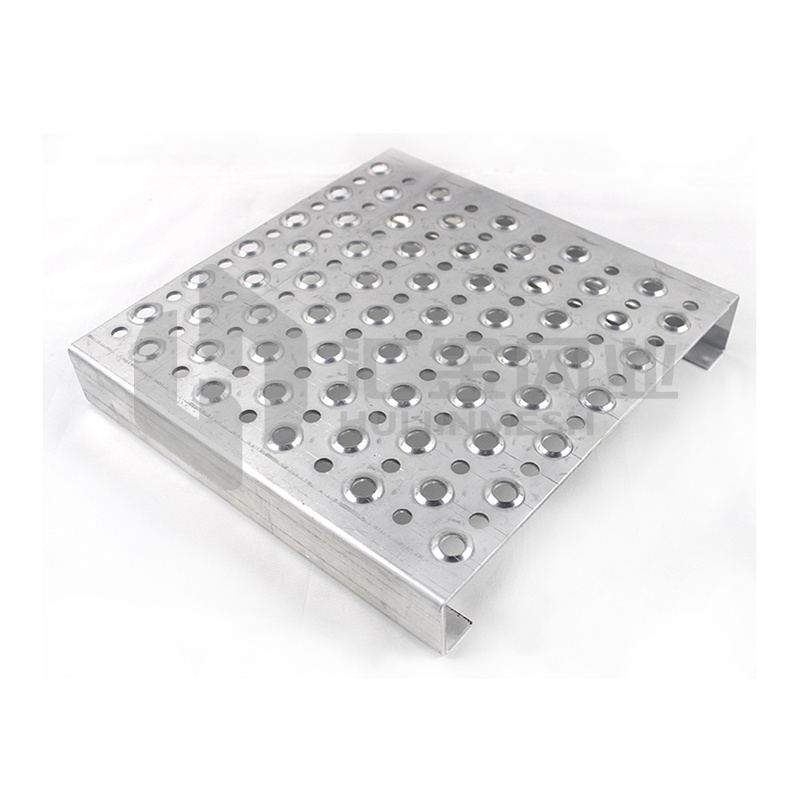
Understanding Safety Grating: Essential Insights for Construction and Decoration
Oct 11,2026
Safety grating is an essential product in the construction industry, particularly in settings where slip resistance and load-bearing capacity are paramount. Often made from materials such as steel, fiberglass, or plastic, safety grating systems are designed to provide a stable walking surface while allowing for drainage, ventilation, and visibility. This article delves into the significance of safety grating and its applications, ensuring you are equipped with the knowledge necessary to make informed decisions for your projects.
One of the primary advantages of safety grating is its slip-resistant properties. The surface design often includes features like raised patterns or textured finishes that enhance traction, making it an ideal choice for walkways, stairways, and platforms in industrial and commercial environments. By reducing the risk of slips and falls, safety grating significantly contributes to workplace safety, which is a critical concern in any construction or renovation project.
Moreover, safety grating systems are versatile in their applications. They can be utilized in various environments, including manufacturing plants, warehouses, outdoor walkways, and even decorative installations in residential areas. The lightweight nature of certain materials used in safety grating, such as fiberglass, allows for easy handling and installation, making it a favorable option for contractors and builders.
When considering safety grating for your project, it is essential to evaluate the specific requirements based on the intended use. Factors such as load capacity, environmental conditions, and aesthetic preferences should guide your selection process. For instance, fiberglass grating is particularly advantageous in corrosive environments, such as chemical plants, where it offers durability and resistance to harsh chemicals.
Additionally, safety grating can be customized to meet specific project needs. Options such as color, size, and panel spacing can be tailored to match architectural designs or functional requirements. This flexibility not only enhances the safety aspect but also allows for creative design solutions that can elevate the overall aesthetic of a space.
Maintenance is another critical consideration when it comes to safety grating. Regular inspections and cleaning are necessary to ensure that the grating remains in optimal condition, particularly in high-traffic areas. Ensuring that the surface is free from debris, contaminants, or damages will prolong the life of the grating and maintain its safety features.
In summary, safety grating is a vital element in the construction and decoration sectors, serving multiple functions while prioritizing safety. Understanding its properties, benefits, and maintenance requirements can lead to better decision-making and enhanced safety in your projects. Whether you are a contractor, architect, or a DIY enthusiast, incorporating safety grating into your designs or constructions will significantly improve the functionality and safety of the built environment.
One of the primary advantages of safety grating is its slip-resistant properties. The surface design often includes features like raised patterns or textured finishes that enhance traction, making it an ideal choice for walkways, stairways, and platforms in industrial and commercial environments. By reducing the risk of slips and falls, safety grating significantly contributes to workplace safety, which is a critical concern in any construction or renovation project.
Moreover, safety grating systems are versatile in their applications. They can be utilized in various environments, including manufacturing plants, warehouses, outdoor walkways, and even decorative installations in residential areas. The lightweight nature of certain materials used in safety grating, such as fiberglass, allows for easy handling and installation, making it a favorable option for contractors and builders.
When considering safety grating for your project, it is essential to evaluate the specific requirements based on the intended use. Factors such as load capacity, environmental conditions, and aesthetic preferences should guide your selection process. For instance, fiberglass grating is particularly advantageous in corrosive environments, such as chemical plants, where it offers durability and resistance to harsh chemicals.
Additionally, safety grating can be customized to meet specific project needs. Options such as color, size, and panel spacing can be tailored to match architectural designs or functional requirements. This flexibility not only enhances the safety aspect but also allows for creative design solutions that can elevate the overall aesthetic of a space.
Maintenance is another critical consideration when it comes to safety grating. Regular inspections and cleaning are necessary to ensure that the grating remains in optimal condition, particularly in high-traffic areas. Ensuring that the surface is free from debris, contaminants, or damages will prolong the life of the grating and maintain its safety features.
In summary, safety grating is a vital element in the construction and decoration sectors, serving multiple functions while prioritizing safety. Understanding its properties, benefits, and maintenance requirements can lead to better decision-making and enhanced safety in your projects. Whether you are a contractor, architect, or a DIY enthusiast, incorporating safety grating into your designs or constructions will significantly improve the functionality and safety of the built environment.
Your One Stop, One Solution!
In the future, Huijin Company will adhere to the philosophy of excellence and customer first, continue to introduce new equipment, absorb new technology, develop new products and provide best procurement plan for every customer.
CONTACT US
Email:carol.feng@huijinwiremesh.com
Phone:+8618661612521
Whatsapp:+8618661612521
Add: 150 Nanhuan Road, Hengshui, Hebei, China
FOLLOW US


