

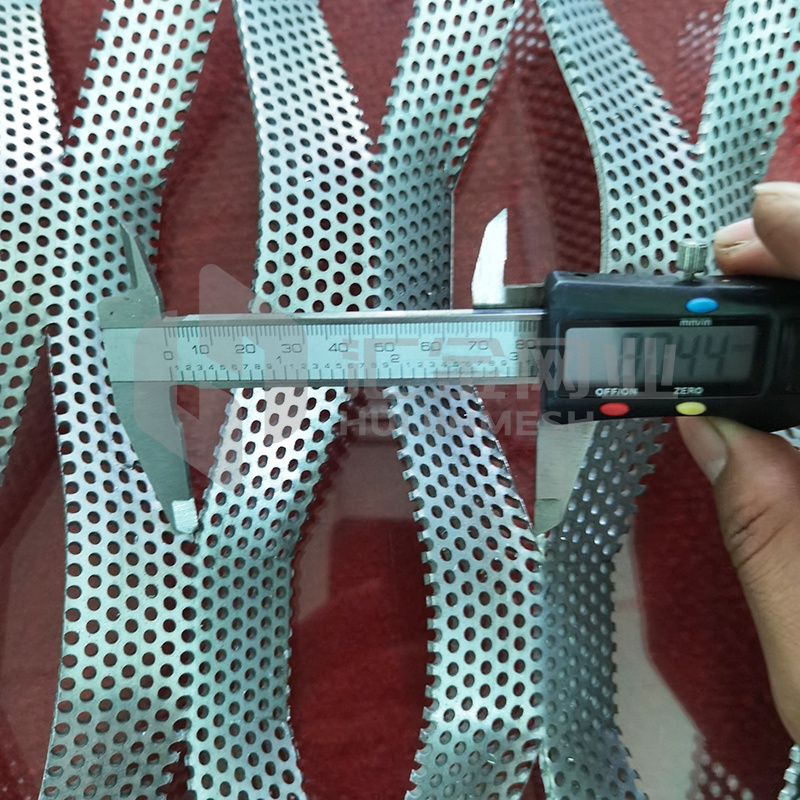
Understanding the Advantages of Round Hole Perforated Metal in Architectural Design
Jan 13,2026
Understanding the Advantages of Round Hole Perforated Metal in Architectural Design
Table of Contents
- Introduction to Round Hole Perforated Metal
- What is Round Hole Perforated Metal?
- Types of Round Hole Perforated Metal
- Key Benefits of Using Round Hole Perforated Metal
- Aesthetic Appeal
- Functional Benefits
- Sustainability Considerations
- Applications of Round Hole Perforated Metal in Design
- Architectural Applications
- Decorative Applications
- How to Choose the Right Round Hole Perforated Metal
- Maintenance and Care for Perforated Metal
- FAQs about Round Hole Perforated Metal
- Conclusion
Introduction to Round Hole Perforated Metal
Round hole perforated metal is gaining widespread popularity in architectural design and decor. This versatile material features a series of uniformly spaced holes, which can be tailored in size and pattern to meet specific design needs. Its unique qualities make it an ideal choice for a variety of applications, from functional to aesthetic. In this article, we will explore the myriad of benefits that round hole perforated metal offers, including its aesthetic appeal, functional advantages, and sustainable properties.
What is Round Hole Perforated Metal?
Round hole perforated metal is a sheet of metal that has been punctured with round holes of varying diameters. These holes can be arranged in different patterns and densities, making the material customizable for any project. Commonly made from materials like steel, aluminum, or stainless steel, round hole perforated metal is both durable and lightweight. This allows it to be used in both interior and exterior applications, enhancing both visual and structural components of buildings and designs.
Types of Round Hole Perforated Metal
There are several variations of round hole perforated metal, categorized by factors such as hole diameter, pattern, and material type. Here are some common types:
1. **Standard Round Hole Perforated Metal**: This version features uniformly spaced holes with consistent diameters, ideal for conventional applications.
2. **Slotted Round Hole Perforated Metal**: These holes are elongated, providing a unique aesthetic while allowing for increased airflow and visibility.
3. **Decorative Round Hole Perforated Metal**: With intricate designs and varying hole sizes, this type is often used in artistic installations or as architectural accents.
Key Benefits of Using Round Hole Perforated Metal
Round hole perforated metal has several advantages that make it a preferred choice in design. Understanding these benefits can assist architects and designers in making informed decisions.
Aesthetic Appeal
Round hole perforated metal introduces a modern and sleek look to architectural designs. The uniformity of the holes creates a rhythmic pattern that is visually striking. This material can be finished in various colors and textures, allowing it to complement any design scheme seamlessly. Whether used as a facade, divider, or accent piece, round hole perforated metal enhances the overall aesthetic of a space.
Functional Benefits
Beyond its beauty, round hole perforated metal provides numerous functional benefits:
- **Ventilation and Light Filtration**: The holes allow airflow and natural light to permeate spaces, creating a pleasant indoor environment while maintaining privacy.
- **Weight Reduction**: The perforated design reduces the weight of the material compared to solid metal sheets, making it easier to handle and install.
- **Acoustic Properties**: Perforated metal can help absorb sound, making it ideal for applications in acoustically sensitive environments.
Sustainability Considerations
In an age where sustainability is paramount, round hole perforated metal stands out as an eco-friendly option. The material can be recycled, reducing waste and conserving resources. Additionally, its ability to promote natural ventilation and reduce energy consumption makes it a sustainable choice for modern architecture.
Applications of Round Hole Perforated Metal in Design
The versatility of round hole perforated metal opens the door to numerous applications in both architectural and decorative contexts.
Architectural Applications
In architectural design, round hole perforated metal can be used in:
1. **Facades**: It adds a contemporary touch to building exteriors while providing protection from the elements.
2. **Screens**: Used as privacy screens in residential and commercial settings, it allows light while blocking visibility.
3. **Railings**: Incorporating perforated metal in railings adds safety without compromising on style.
Decorative Applications
Round hole perforated metal also excels in decorative roles, including:
- **Art Installations**: Artists frequently use this material to create stunning visual displays.
- **Furniture Design**: Designers incorporate perforated metal into furniture pieces, adding a unique texture and form.
- **Interior Partitions**: These can create dynamic spaces within open floor plans while maintaining an airy feel.
How to Choose the Right Round Hole Perforated Metal
Selecting the appropriate round hole perforated metal for a project involves several considerations:
1. **Hole Size and Pattern**: Determine the desired aesthetic and functionality to choose the right size and arrangement of holes.
2. **Material Type**: Consider the environment to select a metal that will provide durability, especially in outdoor settings.
3. **Finish Options**: Look for finishes that will enhance the design and ensure long-lasting beauty.
Maintenance and Care for Perforated Metal
While round hole perforated metal is relatively low-maintenance, proper care can extend its lifespan. Regular cleaning with mild soap and water will help remove dirt and grime. For exterior applications, check for signs of corrosion or damage regularly, and apply protective coatings as necessary to maintain its appearance.
FAQs about Round Hole Perforated Metal
1. What are the common uses of round hole perforated metal in construction?
Round hole perforated metal is commonly used in facades, railings, screens, and decorative elements in buildings.
2. Is round hole perforated metal suitable for outdoor use?
Yes, when made from durable materials like stainless steel or aluminum, it is ideal for outdoor applications.
3. Can round hole perforated metal help with acoustics?
Absolutely! The perforated design can help absorb sound, making it suitable for environments that require noise control.
4. How do I clean and maintain round hole perforated metal?
Regular cleaning with mild soap and water is recommended, and checks for corrosion should be performed for outdoor installations.
5. Are there customization options for round hole perforated metal?
Yes, round hole perforated metal can be customized in terms of hole size, pattern, material, and finish to meet specific design needs.
Conclusion
Round hole perforated metal represents a fusion of aesthetic beauty and functional versatility in architectural design. Its myriad applications, combined with sustainability benefits, make it a preferred choice for architects and designers alike. By understanding its advantages and considerations, we can harness the full potential of round hole perforated metal to create stunning, modern spaces that are both visually appealing and highly functional. Whether you are embarking on a new project or seeking to enhance an existing design, consider the transformative qualities of round hole perforated metal to elevate your work.
Your One Stop, One Solution!
In the future, Huijin Company will adhere to the philosophy of excellence and customer first, continue to introduce new equipment, absorb new technology, develop new products and provide best procurement plan for every customer.
CONTACT US
Email:carol.feng@huijinwiremesh.com
Phone:+8618661612521
Whatsapp:+8618661612521
Add: 150 Nanhuan Road, Hengshui, Hebei, China
FOLLOW US


