

Exploring the Versatility and Applications of Architectural Expanded Mesh
Jan 18,2026
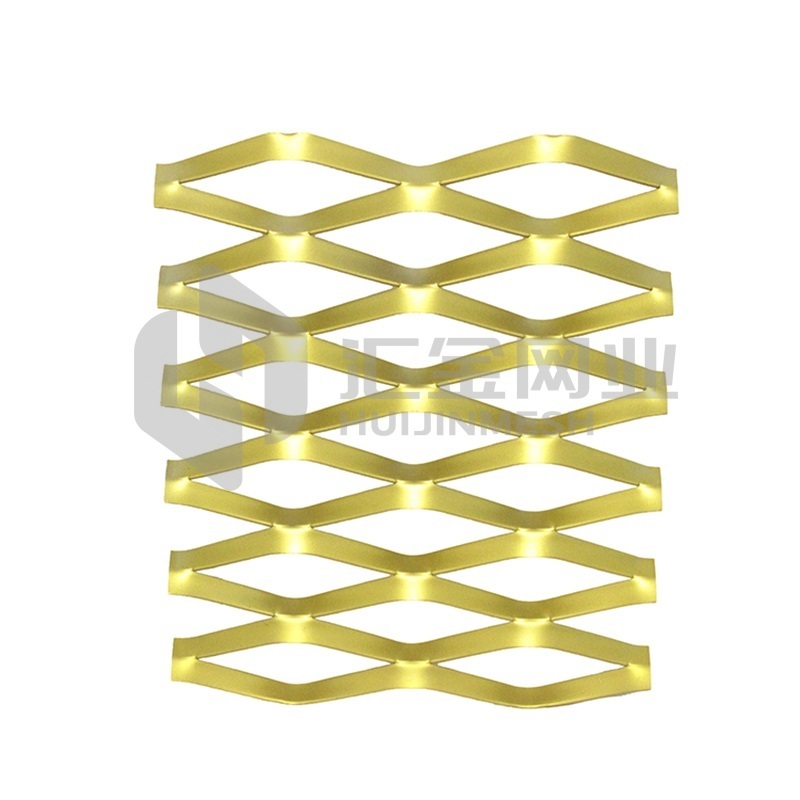
Architectural expanded mesh is a distinctive material in the realm of building and decorative applications, known for its versatility and aesthetic appeal. Made from sheets of metal that have been expanded to create a mesh-like structure, this material features a combination of strength, durability, and visual interest, making it an ideal choice for various architectural projects.
One of the primary benefits of architectural expanded mesh is its lightweight nature, which allows for easier handling and installation compared to traditional materials. This lightweight characteristic does not compromise its strength; in fact, it provides robust support while minimizing the overall weight of installations. As a result, architects and designers can incorporate it into their designs without the additional structural reinforcements that heavier materials might require.
In terms of aesthetics, architectural expanded mesh offers incredible design flexibility. Its unique pattern allows for the creation of visually striking facades, sunshades, and partitions that can enhance any building's exterior or interior. The ability to customize the mesh pattern and size further expands its creative potential, enabling architects to achieve specific design visions. Additionally, the openness of the mesh can facilitate natural light flow while maintaining a level of privacy, making it suitable for various applications.
The durability of architectural expanded mesh is another significant advantage. Typically fabricated from materials like aluminum or stainless steel, it is resistant to corrosion and weathering, ensuring long-lasting performance in various environmental conditions. This characteristic is particularly valuable in outdoor applications, where exposure to the elements can quickly degrade lesser materials.
Architectural expanded mesh also promotes sustainability in building design. Its production process can be more resource-efficient compared to solid sheets of metal, and its lightweight nature can contribute to lower energy consumption during transportation and installation. Furthermore, when properly maintained, this material can have a long lifecycle, contributing to the overall sustainability of construction projects.
Applications of architectural expanded mesh are diverse. It can be used in facades and cladding systems to create visually captivating exteriors, in interior design as wall partitions or decorative accents, and even in landscaping for functional yet attractive fencing or trellises. Its applications extend to functional uses, such as walkways and stair treads, where safety and slip resistance are essential.
In conclusion, architectural expanded mesh stands out as a material of choice in the building and decorative materials industry. Thanks to its unique combination of aesthetic appeal, strength, and sustainability, it provides architects and designers with the tools they need to create innovative and impactful spaces. Whether you are looking to enhance a building's exterior or introduce unique elements to an interior space, architectural expanded mesh is a versatile solution worth considering.
Your One Stop, One Solution!
In the future, Huijin Company will adhere to the philosophy of excellence and customer first, continue to introduce new equipment, absorb new technology, develop new products and provide best procurement plan for every customer.
CONTACT US
Email:carol.feng@huijinwiremesh.com
Phone:+8618661612521
Whatsapp:+8618661612521
Add: 150 Nanhuan Road, Hengshui, Hebei, China
FOLLOW US


