

Understanding Safety Grating: A Comprehensive Guide for Construction Professionals
Aug 22,2026
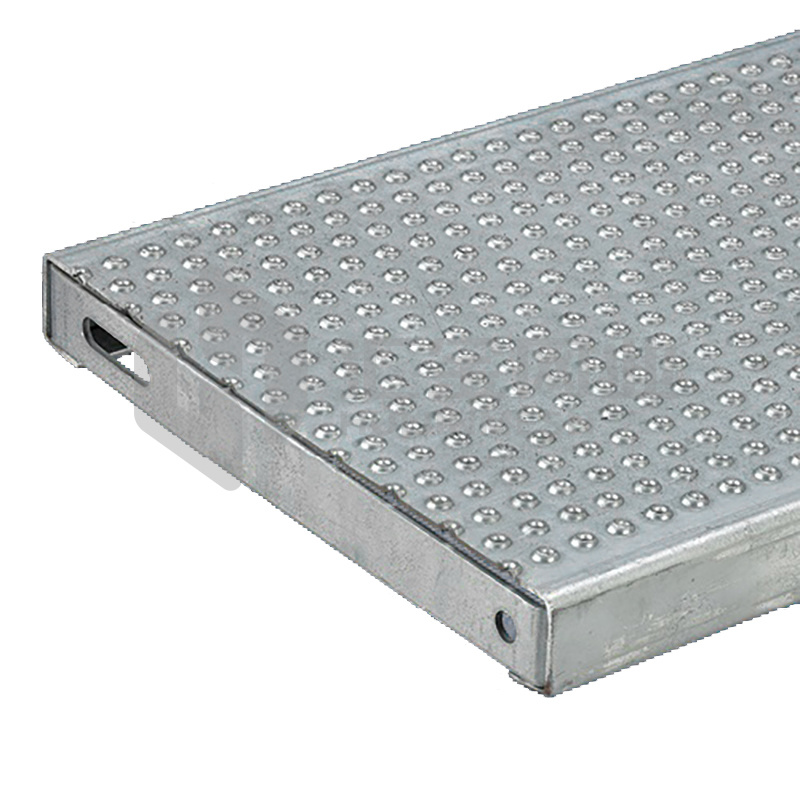
Safety grating, often referred to as grid flooring or mesh flooring, serves both functional and safety purposes in construction projects. It primarily comprises metal or plastic materials designed to provide a sturdy surface while allowing for drainage and visibility. The unique design of safety grating reduces the risk of slips and falls, making it a preferred choice for high-traffic areas and environments with potential hazards.
In terms of types, safety grating comes in various forms, including open mesh, solid top, and perforated styles. Open mesh grating is particularly popular for industrial applications, as it provides maximum ventilation and drainage. Solid top grating, on the other hand, is often used in areas where spills are common, as it helps contain liquids and prevent slips. Perforated grating, meanwhile, combines the benefits of both styles, offering drainage while providing a solid surface.
The applications of safety grating are vast. In industrial settings, it is commonly used in walkways, work platforms, and stair treads. Construction sites implement safety grating for scaffolding and temporary pathways to enhance worker safety. Additionally, safety grating finds its place in architectural designs, contributing not only to safety but also to aesthetic appeal in public spaces and buildings.
The benefits of utilizing safety grating in construction are numerous. Primarily, it enhances safety by providing a secure footing and reducing the chances of accidents. This is particularly beneficial in environments where water, oil, or other slippery substances may be present. Furthermore, safety grating is designed to withstand heavy loads and resist corrosion, ensuring longevity and durability, which translates into lower maintenance costs over time.
Moreover, the installation of safety grating is often straightforward, making it a cost-effective choice for many construction projects. Its lightweight nature allows for easy handling and installation, minimizing downtime during construction processes. Additionally, safety grating can be customized to fit specific dimensions and load requirements, ensuring that it meets the needs of diverse applications.
In conclusion, safety grating is an essential element in the construction and decorative materials industry. Its variety of types, extensive applications, and numerous benefits make it a valuable addition to any project. By understanding the intricacies of safety grating, professionals can make informed decisions that enhance both safety and functionality in their construction endeavors.
Your One Stop, One Solution!
In the future, Huijin Company will adhere to the philosophy of excellence and customer first, continue to introduce new equipment, absorb new technology, develop new products and provide best procurement plan for every customer.
CONTACT US
Email: aliyyah@huijinwiremesh.com
Phone: +8615633075373
WhatsApp: +8615633075373
Add: NO.150 WEST OF HEHUANG ROAD, ANPING COUNTY, HENGSHUI, HEBEI, CHINA
FOLLOW US


