

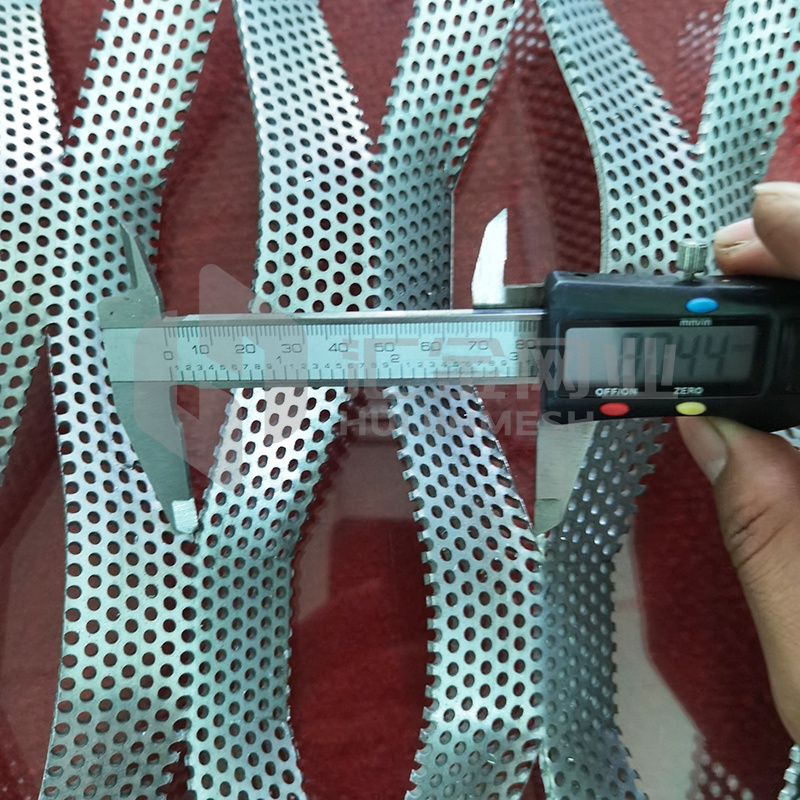
Transform Your Space: Innovative Round Hole Perforated Metal Applications for Every Design Need
Jul 18,2026
Transform Your Space: Innovative Round Hole Perforated Metal Applications for Every Design Need
Table of Contents
1. Introduction to Round Hole Perforated Metal
2. Benefits of Using Perforated Metal in Design
2.1 Enhanced Aesthetics
2.2 Versatility in Applications
2.3 Sustainable Building Material
3. Key Applications of Round Hole Perforated Metal
3.1 Architectural Features
3.2 Interior Design Elements
3.3 Outdoor and Landscape Applications
3.4 Industrial Uses of Perforated Metal
4. Design Considerations When Using Perforated Metal
4.1 Choosing the Right Material
4.2 Hole Size and Pattern Selection
4.3 Color and Finish Options
5. Installation and Maintenance of Perforated Metal
5.1 Installation Techniques
5.2 Maintenance Tips for Longevity
6. Future Trends in Perforated Metal Design
7. FAQs About Round Hole Perforated Metal
8. Conclusion
1. Introduction to Round Hole Perforated Metal
Round hole perforated metal is a remarkable material that offers both functionality and aesthetic appeal. By incorporating evenly spaced holes into sheets of metal, designers and architects create versatile structures that serve multiple purposes, from enhancing airflow to defining spaces visually. This article delves into the dynamic world of round hole perforated metal, exploring its diverse applications and the advantages it brings to various design projects.
2. Benefits of Using Perforated Metal in Design
The use of round hole perforated metal in construction and design has surged in popularity due to its unique benefits. Understanding these can help stakeholders make informed decisions.
2.1 Enhanced Aesthetics
Round hole perforated metal adds a modern touch to architectural designs. The patterns and textures created through perforation provide visual intrigue, allowing for creative freedom. Whether used as a façade element or decorative screens, it elevates the overall design.
2.2 Versatility in Applications
This material can be used in a plethora of applications, including partitions, ceilings, and facades. Its adaptability makes it suitable for both indoor and outdoor projects, ensuring it meets various design requirements.
2.3 Sustainable Building Material
Perforated metal can be produced from recycled materials, making it an eco-friendly choice. Its durability also ensures a long lifespan, contributing to sustainable building practices.
3. Key Applications of Round Hole Perforated Metal
Round hole perforated metal can be transformed into an array of applications, showcasing its versatility. Here are some of the key applications across different sectors.
3.1 Architectural Features
In architectural design, round hole perforated metal can be used for building facades, sunshades, and decorative panels. These features are not only visually appealing but also functional, allowing for light filtration and ventilation.
3.2 Interior Design Elements
Within interiors, perforated metal can serve as room dividers, ceiling tiles, and wall art. It introduces a contemporary flair while maintaining an open and airy feel in spaces.
3.3 Outdoor and Landscape Applications
Outdoor landscapes benefit from the use of perforated metal in fencing, trellises, and garden screens. These applications enhance privacy while allowing light and air to pass through, creating visually appealing outdoor environments.
3.4 Industrial Uses of Perforated Metal
In industrial settings, round hole perforated metal is employed for safety barriers, machine guards, and filtration systems. Its strength and durability make it an excellent choice for demanding operational environments.
4. Design Considerations When Using Perforated Metal
When integrating round hole perforated metal into your design, several considerations can enhance the outcome. Selecting the right materials and designs is crucial for success.
4.1 Choosing the Right Material
Common materials for perforated metal include aluminum, stainless steel, and carbon steel. Each material offers distinct properties that affect durability, weight, and aesthetic appeal. For example, stainless steel is highly resistant to corrosion, making it ideal for outdoor applications.
4.2 Hole Size and Pattern Selection
The size and pattern of holes can significantly affect the functionality and aesthetics of the perforated metal. Larger holes allow for greater airflow and visibility, while smaller holes provide more privacy and a distinct texture. Consider the intended use when selecting these parameters.
4.3 Color and Finish Options
Perforated metal can be finished in a variety of colors and coatings, allowing for further customization. Powder coating, anodizing, and painting are popular techniques that enhance both appearance and resistance to environmental factors.
5. Installation and Maintenance of Perforated Metal
Proper installation and ongoing maintenance of round hole perforated metal are essential to ensure longevity and performance.
5.1 Installation Techniques
Installation of perforated metal can vary based on the application. For instance, wall panels may require framing, while ceiling tiles may be suspended. Ensuring accurate measurements and secure fittings is paramount to achieving the desired outcome.
5.2 Maintenance Tips for Longevity
To preserve the integrity of perforated metal, regular cleaning is recommended. Using mild detergents and avoiding abrasive materials can help maintain its finish. Inspecting for damage periodically can also prevent deterioration over time.
6. Future Trends in Perforated Metal Design
Looking ahead, several trends are emerging in the use of round hole perforated metal. The integration of technology, such as LED lighting within perforated panels, is gaining popularity. Additionally, sustainable practices are prompting designers to focus on recycled and eco-friendly materials. Customization will continue to be a key element, with designers seeking unique patterns and finishes that reflect individual styles.
7. FAQs About Round Hole Perforated Metal
What is round hole perforated metal?
Round hole perforated metal is a sheet of metal with evenly spaced round holes. It is used in various design applications for its aesthetic and functional properties.
What materials are used for perforated metal?
Common materials include aluminum, stainless steel, and carbon steel, each offering unique characteristics suited for different applications.
How is perforated metal installed?
Installation methods vary depending on the application, such as framing for wall panels or suspension for ceiling tiles. Accurate measurements and secure fittings are crucial for effective installation.
How do I maintain perforated metal?
Regular cleaning with mild detergents and periodic inspections for damage can help extend the life of perforated metal products.
What are the design trends for perforated metal?
Emerging trends include the integration of technology, sustainable practices, and customized patterns that reflect individual design preferences.
8. Conclusion
Round hole perforated metal is a transformative material that offers a blend of functionality and aesthetics, making it a favored choice in modern design. From architectural features to industrial applications, its versatility is unmatched. By understanding the benefits, applications, and considerations associated with perforated metal, architects, designers, and homeowners can make informed choices that enhance their spaces. Embrace the potential of round hole perforated metal and elevate your designs to new heights.
Your One Stop, One Solution!
In the future, Huijin Company will adhere to the philosophy of excellence and customer first, continue to introduce new equipment, absorb new technology, develop new products and provide best procurement plan for every customer.
CONTACT US
Email:carol.feng@huijinwiremesh.com
Phone:+8618661612521
Whatsapp:+8618661612521
Add: 150 Nanhuan Road, Hengshui, Hebei, China
FOLLOW US


