

Discover the Advantages of Economical Safety Grating for Your Construction Ventures
Jun 03,2026
Discover the Advantages of Economical Safety Grating for Your Construction Ventures
Table of Contents
- 1. Introduction to Safety Grating
- 2. Types of Safety Grating Available
- 3. Benefits of Affordable Safety Grating
- 4. Applications of Safety Grating in Construction
- 5. Environmental Impact of Safety Grating
- 6. Maintenance Tips for Safety Grating
- 7. Common Questions About Safety Grating
- 8. Conclusion
1. Introduction to Safety Grating
Safety grating is an essential material used widely in construction to ensure safety and efficiency. It is designed to provide a non-slip surface, allowing for safe movement across potentially hazardous areas. With a variety of materials and designs available, safety grating can be used in multiple applications, from walkways to platforms, enhancing the safety of construction sites. Understanding the significance of safety grating is crucial for project managers and contractors looking to improve site safety and compliance.
2. Types of Safety Grating Available
Safety grating comes in various types, each suited for specific applications and environments. The most common types include:
2.1 Steel Grating
Steel grating is highly durable and robust, making it ideal for heavy-duty applications. It can withstand significant loads and is perfect for industrial settings.
2.2 Aluminum Grating
Lightweight and corrosion-resistant, aluminum grating is suitable for environments where rust can be a concern. It is often used in marine and chemical applications.
2.3 Fiberglass Reinforced Plastic (FRP) Grating
FRP grating offers a non-conductive and slip-resistant surface, making it a popular choice in electrical and wet environments. It is also lightweight and easy to install.
2.4 Plastic Grating
Plastic grating is an economical option that is resistant to chemicals and corrosion. It is often used in pedestrian walkways and light-duty applications.
3. Benefits of Affordable Safety Grating
Incorporating affordable safety grating into your construction projects offers numerous advantages. Below are some key benefits:
3.1 Cost-Effectiveness
Affordable safety grating can significantly reduce project costs without sacrificing quality. By choosing budget-friendly options, contractors can allocate funds to other critical areas of their projects. Moreover, the long lifespan of safety grating means fewer replacements are needed, further saving money in the long run.
3.2 Durability and Longevity
Safety grating is designed to withstand harsh conditions, making it a durable choice for construction projects. Whether exposed to weather elements or heavy foot traffic, high-quality grating maintains its structural integrity, ensuring it lasts longer than other materials.
3.3 Safety Features
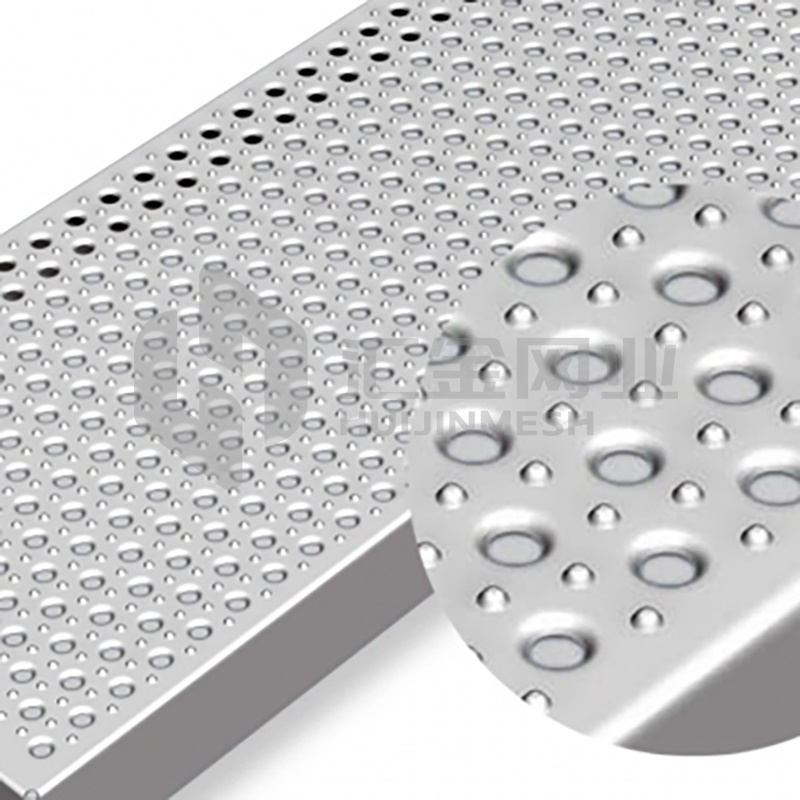
One of the primary advantages of safety grating is its inherent safety features. The non-slip surfaces reduce the risk of accidents, particularly in wet or slippery conditions. Additionally, safety grating can be customized with features like raised patterns for enhanced traction.
3.4 Easy Installation
Affordable safety grating is often designed for quick and straightforward installation. This ease of use helps reduce labor costs and project timelines, allowing construction teams to focus on other essential tasks.
4. Applications of Safety Grating in Construction
Safety grating finds extensive use across various applications in construction. Some of the most common include:
4.1 Walkways and Platforms
Safety grating provides a stable and secure surface for walkways and platforms, allowing workers to navigate construction sites safely.
4.2 Staircases and Ladders
Installing safety grating on staircases and ladders enhances grip and reduces slip hazards, improving overall site safety.
4.3 Drainage Covers
Safety grating can be used as drainage covers, ensuring that water flows freely while preventing accidents caused by open drains.
4.4 Industrial Applications
In industrial settings, safety grating is crucial for creating secure working environments around machinery and equipment.
5. Environmental Impact of Safety Grating
Sustainability is an increasingly important aspect of construction practices. Affordable safety grating contributes positively to environmental considerations in several ways:
5.1 Recyclability
Many types of safety grating, particularly those made from steel and aluminum, are recyclable. This reduces waste and supports sustainable construction practices.
5.2 Lightweight Design
Lightweight safety grating options, such as FRP, reduce transportation costs and fuel consumption during shipping, minimizing the overall carbon footprint of construction projects.
6. Maintenance Tips for Safety Grating
To ensure the longevity and effectiveness of safety grating, it is essential to implement proper maintenance practices:
6.1 Regular Inspections
Conduct routine checks for wear and tear, especially in high-traffic areas. Look for signs of damage or corrosion that may compromise safety.
6.2 Cleaning
Keep the surfaces clean to maintain traction. Use appropriate cleaning agents that do not damage the grating material.
6.3 Replacement
Replace any damaged sections promptly to prevent accidents and maintain safety standards on site.
7. Common Questions About Safety Grating
7.1 What is the weight capacity of safety grating?
The weight capacity varies by type and design, but most safety grating is designed to handle substantial loads, typically ranging from 1,200 to 4,000 pounds per square foot, depending on the material and spacing.
7.2 How do I choose the right type of safety grating for my project?
Consider factors such as load requirements, environmental conditions, and specific application needs. Consulting with suppliers can also provide valuable insights.
7.3 Is safety grating resistant to chemicals?
Certain types, like fiberglass reinforced plastic (FRP) grating, offer excellent resistance to a wide range of chemicals, making them ideal for industrial applications.
7.4 Can safety grating be customized?
Yes, many manufacturers offer customization options, including size, thickness, and surface finishes, to meet specific project requirements.
7.5 How is safety grating installed?
Installation methods vary by type but generally involve securing the grating to a framework using bolts or clips. Detailed installation instructions are typically provided by the manufacturer.
8. Conclusion
Incorporating **affordable safety grating** into your construction projects is a strategic choice that not only enhances safety but also contributes to cost efficiency and sustainability. With a variety of options available, selecting the right type of safety grating can meet diverse project needs while ensuring long-lasting performance. By understanding the numerous benefits and applications of safety grating, construction professionals can create safer, more efficient work environments that prioritize the well-being of their teams.
Your One Stop, One Solution!
In the future, Huijin Company will adhere to the philosophy of excellence and customer first, continue to introduce new equipment, absorb new technology, develop new products and provide best procurement plan for every customer.
CONTACT US
Email:carol.feng@huijinwiremesh.com
Phone:+8618661612521
Whatsapp:+8618661612521
Add: 150 Nanhuan Road, Hengshui, Hebei, China
FOLLOW US


