

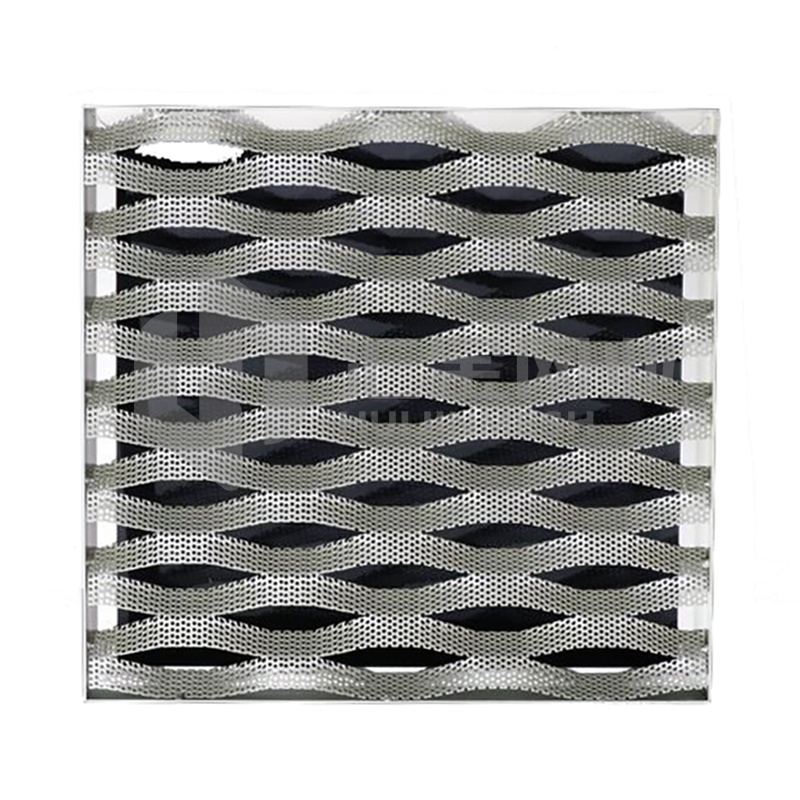
Perforated Metal Panels: Affordable Solutions for Your Construction Needs
Apr 29,2026
Perforated Metal Panels: Affordable Solutions for Your Construction Needs
Table of Contents
- Introduction to Perforated Metal Panels
- What Are Perforated Metal Panels?
- Benefits of Using Perforated Metal Panels
- Applications of Perforated Metal Panels in Construction
- Types of Materials Used in Perforated Metal Panels
- Cost-Effectiveness of Perforated Metal Panels
- Sustainability and Environmental Impact
- Installation and Maintenance of Perforated Metal Panels
- Frequently Asked Questions
- Conclusion
Introduction to Perforated Metal Panels
Perforated metal panels have emerged as a popular choice in the construction and architectural industries. They are not just functional; they offer an aesthetic appeal that can enhance any building design. With an extensive range of applications—from facades to interior elements—perforated metal panels provide solutions that are both cost-effective and versatile. This article aims to explore the benefits, applications, materials, and overall value of perforated metal panels, equipping you with the knowledge you need to make informed decisions for your construction projects.
What Are Perforated Metal Panels?
Perforated metal panels are sheets of metal that have been mechanically punched to create a pattern of holes. These holes can vary in size, shape, and arrangement, allowing for customization according to specific project requirements. The most common materials used for these panels include steel, aluminum, and stainless steel, each offering distinct advantages in terms of durability, weight, and corrosion resistance.
Characteristics of Perforated Metal Panels
- **Versatile Designs**: With endless customization options, perforated metal can be tailored to fit any design aesthetic.
- **Durability**: Resistant to rust and damage, especially when made from stainless steel or coated aluminum.
- **Lightweight**: Despite their strength, the design of perforated panels significantly reduces weight, making them easier to handle and install.
- **Acoustic Properties**: They can help control sound and reduce noise pollution, making them ideal for urban settings.
Benefits of Using Perforated Metal Panels
The advantages of utilizing perforated metal panels are manifold. Below are some key benefits that highlight their significance in construction.
1. Aesthetic Appeal
Perforated metal panels can be crafted to create visually stunning designs that catch the eye. They can be used to achieve contemporary looks or blend seamlessly into historical structures.
2. Enhanced Ventilation and Light Control
These panels allow for the passage of air and light, making them ideal for building facades that require ventilation without compromising on security.
3. Cost-Effectiveness
Perforated panels often reduce the overall cost of materials and labor, thanks to their lightweight nature and the efficiency of installation.
4. Environmental Benefits
Utilizing recyclable materials, perforated metal panels contribute to sustainable building practices, reducing overall environmental impact.
Applications of Perforated Metal Panels in Construction
Perforated metal panels can be used in a variety of construction applications, making them an extremely versatile choice.
1. Building Facades
Architects often employ perforated panels as exterior cladding to create unique, modern facades that simultaneously provide functionality and beauty.
2. Sunshades and Canopies
Installed as sunshades, they protect buildings from harsh sunlight while also allowing natural light to filter through.
3. Interior Design Elements
In interiors, perforated metal can be used for room dividers, ceiling panels, and decorative wall features, offering a modern touch to any space.
4. Acoustic Panels
They can effectively manage sound in commercial spaces, providing acoustic control in areas such as offices, theaters, and restaurants.
5. Safety Barriers
Perforated metal panels can serve as safety barriers while maintaining visibility, making them an excellent choice for security applications.
Types of Materials Used in Perforated Metal Panels
Choosing the right material for perforated metal panels is crucial, as it affects durability, weight, and aesthetics. Below are some of the most common materials used.
1. Aluminum
Lightweight and resistant to corrosion, aluminum is highly popular for architectural applications. It can be easily customized and painted.
2. Stainless Steel
Known for its strength and durability, stainless steel is ideal for outdoor applications where weather resistance is crucial.
3. Carbon Steel
Carbon steel offers a cost-effective alternative but requires protective coatings to prevent rusting in outdoor uses.
4. Copper and Brass
For a unique aesthetic, copper and brass can be used, developing a patina over time for a distinctive appearance.
Cost-Effectiveness of Perforated Metal Panels
When it comes to construction budgets, perforated metal panels offer significant cost savings. Their lightweight nature reduces transportation and installation costs, while their durability minimizes maintenance expenses over time.
Factors Influencing Cost
- **Material Choice**: Different metals come with varying price tags; for instance, stainless steel tends to be more expensive than aluminum.
- **Customization**: The complexity of the design and the size of the panels can affect overall costs.
- **Installation Requirements**: Simpler installations will naturally incur lower labor costs.
Sustainability and Environmental Impact
The construction industry is increasingly focused on sustainability. Perforated metal panels align with this goal due to their recyclability and energy efficiency.
1. Recyclable Materials
Most metals used in perforated panels are recyclable, contributing to a circular economy in construction.
2. Energy Efficiency
By improving ventilation and natural lighting, these panels can lead to reduced energy consumption in buildings.
3. Reducing Waste
The efficiency of perforation technology means less waste during manufacturing compared to other materials.
Installation and Maintenance of Perforated Metal Panels
Understanding the installation process and maintenance needs is essential for maximizing the benefits of perforated panels.
1. Installation Process
Installation is generally straightforward due to the lightweight nature of the panels. They can be attached using standard construction techniques, allowing for quick assembly.
2. Maintenance Tips
Regular cleaning and inspection for rust or damage are crucial, especially for exterior applications. Coated metals may require less maintenance than untreated options.
Frequently Asked Questions
1. What are the benefits of using perforated metal panels?
Perforated metal panels offer aesthetic appeal, durability, ventilation, and cost-effectiveness. They can enhance the design of any construction project while providing practical benefits.
2. Can perforated metal panels be customized?
Yes, perforated metal panels can be customized in terms of hole size, pattern, and material, allowing for unique architectural designs.
3. How do perforated panels affect energy efficiency?
They improve natural ventilation and allow light penetration, potentially reducing the need for artificial lighting and air conditioning.
4. Are perforated metal panels easy to install?
Yes, their lightweight nature and simple attachment methods make them relatively easy to install.
5. What materials are best for perforated metal panels?
Aluminum, stainless steel, and carbon steel are commonly used, each offering different advantages based on the application and environment.
Conclusion
Perforated metal panels represent an excellent option for those looking to enhance their construction projects without breaking the bank. With their wide range of applications, customizable designs, and cost-effective nature, these panels offer an unbeatable combination of aesthetics and functionality. As the demand for sustainable and versatile construction materials continues to grow, perforated metal panels will undoubtedly remain a staple in modern architecture and design. Embrace the innovative solutions that perforated metal panels bring to your construction needs, and watch your projects transform into stunning examples of modern design and practicality.
Your One Stop, One Solution!
In the future, Huijin Company will adhere to the philosophy of excellence and customer first, continue to introduce new equipment, absorb new technology, develop new products and provide best procurement plan for every customer.
CONTACT US
Email:carol.feng@huijinwiremesh.com
Phone:+8618661612521
Whatsapp:+8618661612521
Add: 150 Nanhuan Road, Hengshui, Hebei, China
FOLLOW US


