

Why Customized Safety Grating is Essential for Construction Projects
Apr 07,2026
Why Customized Safety Grating is Essential for Construction Projects
In the construction industry, safety is paramount, and one key element that contributes to a secure work environment is the use of **customized safety grating**. As construction sites often present numerous hazards, it is crucial to implement safety measures that effectively minimize risks. This article delves into the importance of customized safety grating, exploring its benefits, applications, and how it can enhance safety protocols on construction projects.
Understanding Customized Safety Grating
Customized safety grating refers to tailored grating solutions designed to meet the specific needs of various construction applications. Unlike standard grating, customized options allow for adjustments in material, size, and design to ensure optimal performance in unique environments.
What is Safety Grating?
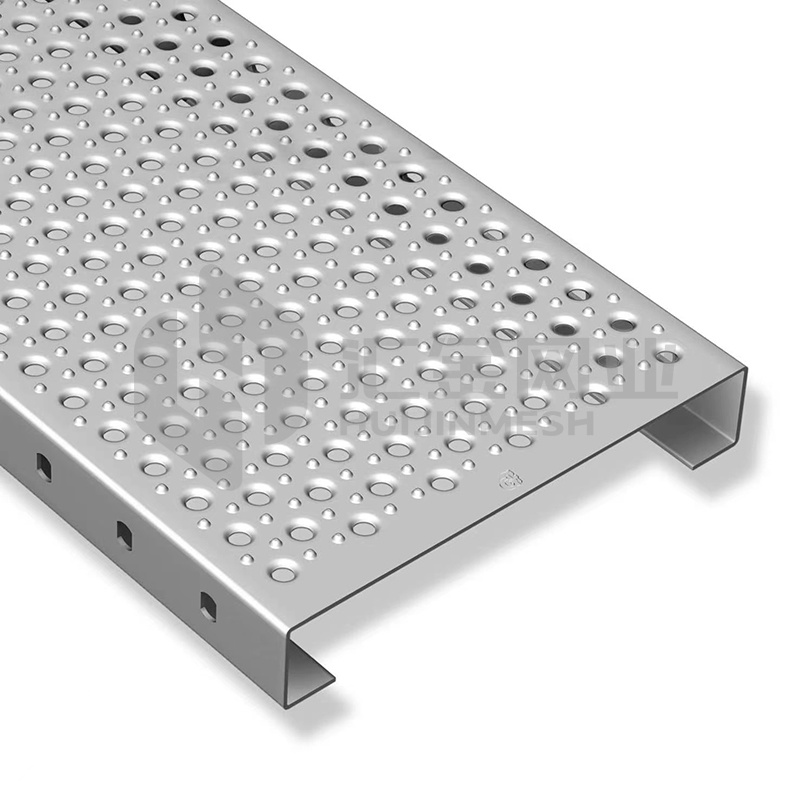
Safety grating is a type of flooring or surface material that provides a slip-resistant platform for workers and equipment. It is typically made from materials such as steel, aluminum, or fiberglass and is designed to allow for drainage while providing stability and support. Its primary purpose is to enhance safety by preventing slips and falls, which are common accidents in construction settings.
The Importance of Customization
Every construction project has its own set of challenges, which is where the customization of safety grating becomes crucial. Factors such as load requirements, environmental conditions, and specific site hazards dictate the design and materials used in safety grating. Customized solutions ensure that grating not only fits the physical space but also addresses safety concerns effectively.
Benefits of Customized Safety Grating
Implementing customized safety grating in construction projects provides numerous advantages, contributing to both safety and efficiency. Here are some key benefits:
1. Enhanced Safety Features
Customized safety grating can be designed with specific features that enhance safety. For example, adding raised patterns or textured surfaces can significantly improve slip resistance, reducing the likelihood of accidents on wet or oily surfaces.
2. Improved Durability
Construction sites often expose materials to harsh conditions, including heavy loads, chemicals, and weather extremes. Customized grating made from durable materials can withstand these challenges, ensuring a longer lifespan and reduced maintenance costs.
3. Tailored Load Capacity
Different areas of a construction site may require varying load capacities. Customized safety grating allows for precise calculations and designs that meet the specific load-bearing needs of the environment, ensuring structural integrity and worker safety.
4. Compliance with Regulations
Regulatory compliance is critical in construction. Customized safety grating can be designed to meet industry standards and local regulations, ensuring that projects adhere to legal safety requirements.
5. Cost-Effectiveness
Though initial investments in customized grating may seem higher, the long-term savings can be substantial. Enhanced durability and reduced maintenance needs translate into lower costs over time, making customized solutions economically viable.
Applications of Customized Safety Grating in Construction
Customized safety grating can be applied in various areas within construction projects. Here are some common applications:
1. Walkways and Platforms
Providing safe walkways and platforms is essential for worker mobility on-site. Customized safety grating can ensure that these surfaces are slip-resistant and strong enough to support the weight of personnel and equipment.
2. Stair Treads and Ladders
Stairs and ladders present significant fall hazards. Customized safety grating can be used on stair treads to provide traction and visibility, helping to prevent accidents.
3. Drainage Grates
Effective drainage is crucial in construction to prevent water accumulation, which can lead to slip hazards. Customized drainage grates can be designed to fit seamlessly into the project’s landscape while ensuring proper drainage and safety.
4. Industrial Applications
In industrial construction settings, customized safety grating can be crucial for platforms and walkways where heavy machinery operates. Tailored grating can withstand the rigors of industrial use while maintaining worker safety.
5. Temporary Structures
During construction, temporary structures may be erected for various purposes. Customized safety grating can offer a quick and effective solution to ensure safety in these temporary setups.
Choosing the Right Customized Safety Grating
When selecting customized safety grating for a construction project, consider the following factors:
1. Material Selection
The choice of material affects durability and safety. Steel grating is robust and suitable for heavy loads, while fiberglass grating offers corrosion resistance in harsh environments. Evaluate the specific needs of your project to select the right material.
2. Design Specifications
Work with manufacturers to create designs that meet the unique specifications of your project. This includes dimensions, load capacities, and surface textures tailored to your site’s requirements.
3. Safety Standards Compliance
Ensure that the customized safety grating meets all relevant safety standards and regulations. This compliance is crucial for protecting workers and avoiding legal repercussions.
4. Supplier Expertise
Choose suppliers who specialize in customized safety grating solutions. Their expertise will be invaluable in ensuring that your selections meet safety requirements and perform optimally in your application.
Installation and Maintenance of Customized Safety Grating
Proper installation and maintenance are essential to maximize the safety and longevity of customized grating solutions. Here are some key considerations:
1. Professional Installation
Engaging professional services for installation ensures that the grating is placed correctly and securely. This step is vital for maintaining the intended safety features and load capacities.
2. Regular Inspections
Routine inspections of safety grating are necessary to identify wear and potential hazards early. This proactive approach can prevent accidents and extend the life of the grating.
3. Cleaning and Maintenance
Keeping safety grating clean is essential for preventing slip hazards. Depending on the environment, establish a regular cleaning schedule and select appropriate cleaning methods that will not damage the grating.
Case Studies: Successful Implementation of Customized Safety Grating
Several construction projects have successfully integrated customized safety grating, showcasing its benefits:
1. Commercial Building Construction
A commercial building project utilized customized safety grating for walkways and platforms, significantly reducing slip and fall incidents during construction. The tailored design met the specific load requirements and provided excellent drainage, ensuring a safe working environment.
2. Industrial Facilities
An industrial facility implemented customized safety grating on staircases and catwalks, improving worker safety in high-traffic areas. The tailored solutions addressed specific safety concerns, leading to a noticeable decrease in accidents.
Frequently Asked Questions (FAQs)
1. What materials are commonly used for customized safety grating?
Common materials include steel, aluminum, and fiberglass, each chosen based on durability, load capacity, and environmental conditions.
2. How can customized safety grating improve worker safety?
By providing slip-resistant surfaces, tailored load capacities, and compliance with safety standards, customized safety grating significantly enhances worker safety.
3. Is customized safety grating more expensive than standard options?
While the initial cost may be higher, customized safety grating often proves more cost-effective over time due to enhanced durability and reduced maintenance needs.
4. How do I choose the right supplier for customized safety grating?
Look for suppliers with expertise in safety grating solutions, solid customer reviews, and the ability to meet your specific project requirements.
5. How often should safety grating be inspected and maintained?
Regular inspections should be conducted at least annually, with more frequent checks recommended in high-traffic or harsh environments. Maintenance and cleaning should also follow a set schedule to ensure ongoing safety.
Conclusion
In conclusion, the significance of customized safety grating in construction projects cannot be overstated. With its ability to enhance safety, improve durability, and provide tailored solutions to meet specific project requirements, customized grating is an essential investment for any construction site. By prioritizing safety through the implementation of these specialized solutions, construction managers can create a safer working environment that protects workers and mitigates risks effectively. Choose customized safety grating to ensure that your construction project meets the highest safety standards and achieves optimal performance.
Your One Stop, One Solution!
In the future, Huijin Company will adhere to the philosophy of excellence and customer first, continue to introduce new equipment, absorb new technology, develop new products and provide best procurement plan for every customer.
CONTACT US
Email:carol.feng@huijinwiremesh.com
Phone:+8618661612521
Whatsapp:+8618661612521
Add: 150 Nanhuan Road, Hengshui, Hebei, China
FOLLOW US


