

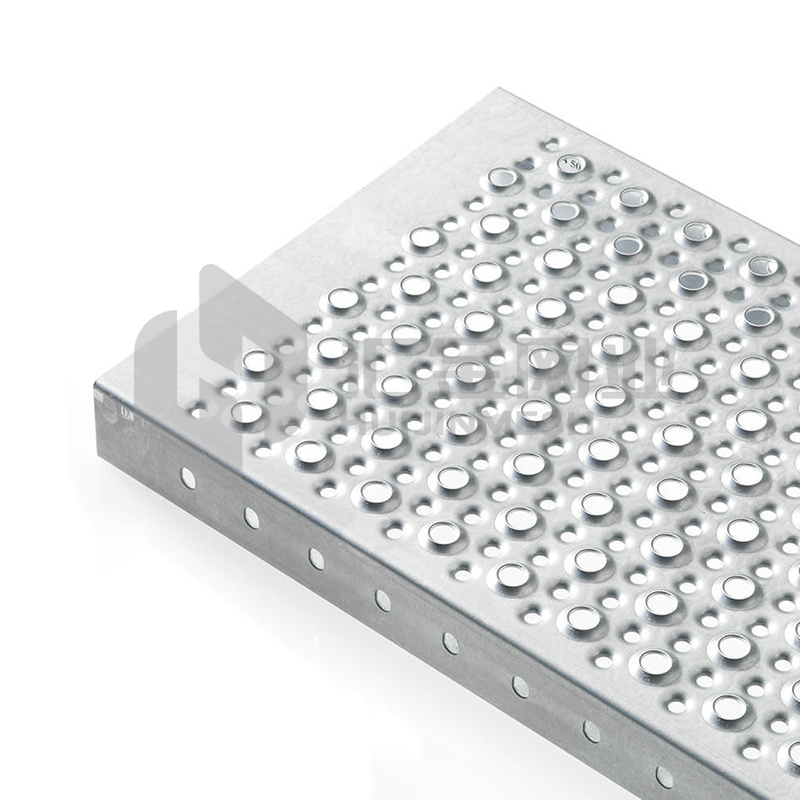
Understanding Safety Grating: Essential Insights for Construction and Design
Feb 19,2026
Safety grating is a crucial component in the construction and decorative materials sector, particularly when it comes to architectural profiles and flooring solutions. Often made from materials like steel, fiberglass, or aluminum, safety grating is designed to provide a durable and slip-resistant surface, making it an essential choice for various applications, including industrial facilities, walkways, platforms, and stairs.
One of the key benefits of safety grating is its ability to enhance safety in environments where slip and fall incidents are a risk. The grating is engineered to allow for water drainage, reducing the accumulation of liquids that can lead to hazardous conditions. This feature is particularly valuable in outdoor settings or areas that experience heavy foot traffic, ensuring that employees and visitors can navigate spaces without fear of slipping.
Additionally, safety grating promotes visibility and ventilation. The open design allows light to pass through, which can be beneficial in low-light conditions, while also facilitating airflow. This characteristic is particularly useful in environments where heat and humidity can build up, such as in industrial settings. By improving air circulation, safety grating helps maintain a comfortable and safe working environment.
Another significant advantage of safety grating is its versatility. Available in various sizes, patterns, and materials, it can be customized to meet the specific needs of different projects. This adaptability means that whether you are working on a high-rise building, a factory floor, or an outdoor patio, safety grating can be tailored to fit the design and functional requirements of your project.
Moreover, the installation of safety grating is typically straightforward, which can lead to reduced labor costs and shorter project timelines. Many manufacturers offer pre-fabricated grating solutions that can be easily integrated into existing designs. This ease of installation makes it an attractive option for contractors and builders looking to enhance the safety features of their projects without extensive modifications.
When considering safety grating for your next construction or decoration project, it is essential to evaluate the specific requirements of the site. Factors such as load-bearing capacity, environmental exposure, and aesthetic preferences should all play a role in your decision-making process. Consulting with industry professionals can provide insights into the most suitable options and ensure that you select the right type of safety grating for your application.
In conclusion, safety grating is a vital component in enhancing safety and functionality in various construction and design projects. Its unique features, including slip resistance, drainage capabilities, and versatility, make it an invaluable choice for architects, builders, and facility managers. By understanding the benefits and applications of safety grating, you can make more informed decisions that prioritize safety and efficiency in your projects.
Your One Stop, One Solution!
In the future, Huijin Company will adhere to the philosophy of excellence and customer first, continue to introduce new equipment, absorb new technology, develop new products and provide best procurement plan for every customer.
CONTACT US
Email: aliyyah@huijinwiremesh.com
Phone: +8615633075373
WhatsApp: +8615633075373
Add: NO.150 WEST OF HEHUANG ROAD, ANPING COUNTY, HENGSHUI, HEBEI, CHINA
FOLLOW US


