

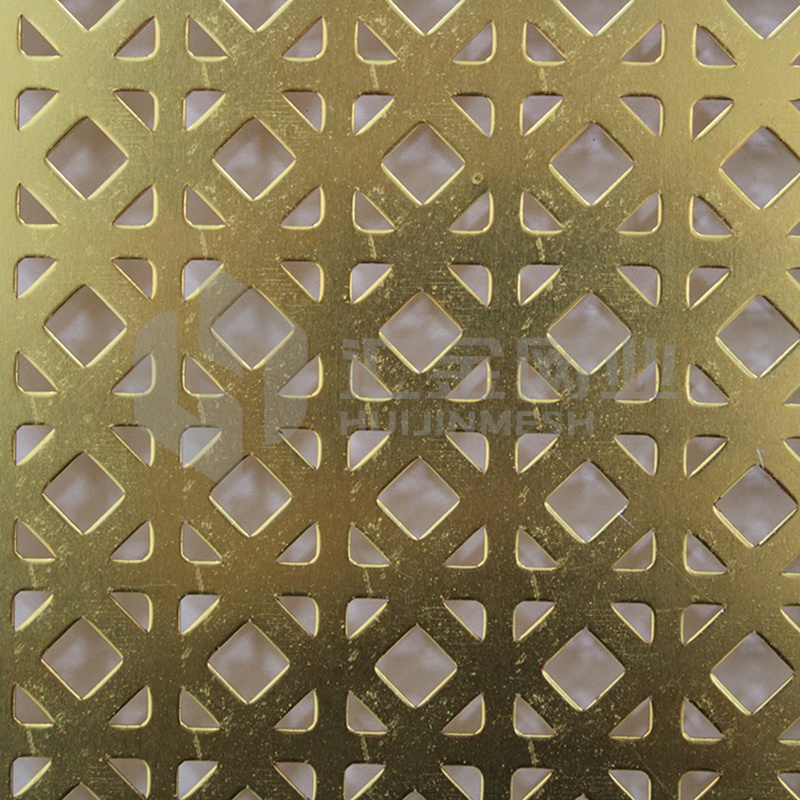
The Transformative Impact of Decorative Perforated Metal in Contemporary Art Installations
Nov 07,2025
The Transformative Impact of Decorative Perforated Metal in Contemporary Art Installations
Table of Contents
- 1. Introduction to Decorative Perforated Metal
- 2. Understanding Decorative Perforated Metal
- 3. Applications of Decorative Perforated Metal in Art
- 4. Advantages of Using Decorative Perforated Metal in Installations
- 5. Design Possibilities with Decorative Perforated Metal
- 6. Case Studies of Innovative Art Installations
- 7. Sustainability and Decorative Perforated Metal
- 8. Frequently Asked Questions
- 9. Conclusion
1. Introduction to Decorative Perforated Metal
In recent years, **decorative perforated metal** has emerged as a compelling choice for artists and designers. This versatile material, characterized by its unique patterns and textures, not only serves functional purposes but also significantly enhances the visual aspect of modern art installations. As we navigate through the various dimensions of this fascinating material, we will explore its applications, advantages, and how it has revolutionized artistic expression.
2. Understanding Decorative Perforated Metal
**Decorative perforated metal** refers to sheets of metal that have been stamped or drilled with a pattern of holes. These holes can vary in size, shape, and spacing, allowing for a broad range of design possibilities. When used in art installations, the perforations can create dynamic visual effects and alter the interaction of light and shadow within a space.
The most commonly used metals for decorative perforation include aluminum, stainless steel, and brass. Each metal offers distinct characteristics that can enhance the overall aesthetic and functionality of an installation. For instance, aluminum is lightweight and corrosion-resistant, making it suitable for both interior and exterior applications. On the other hand, stainless steel provides a sleek, modern look that can withstand various weather conditions.
3. Applications of Decorative Perforated Metal in Art
The applications of **decorative perforated metal** in art are vast and varied. Artists have integrated this material into installations, sculptures, and architectural elements, pushing the boundaries of creativity. Here are some notable applications:
3.1 Sculptural Installations
Artists often use decorative perforated metal to create **sculptural installations** that invite viewers to explore and interact with the artwork. The intricate patterns can evoke emotions and provoke thought, turning a simple form into an immersive experience.
3.2 Architectural Features
Incorporating decorative perforated metal into building facades or partitions adds a unique visual element to architectural designs. This not only enhances the aesthetic appeal but also contributes to the functionality of the space, allowing natural light to filter through while maintaining privacy.
3.3 Interactive Displays
With the rise of technology, artists are increasingly creating **interactive displays** that incorporate perforated metal. By integrating sensors and lighting, artists can transform static installations into dynamic experiences, engaging audiences in new and exciting ways.
4. Advantages of Using Decorative Perforated Metal in Installations
The use of **decorative perforated metal** in art installations comes with numerous advantages:
4.1 Aesthetic Appeal
One of the most significant benefits is the **aesthetic appeal** it brings to an installation. The unique patterns and textures create visual interest, drawing the viewer’s eye and inviting closer examination.
4.2 Versatility
Decorative perforated metal is incredibly versatile. It can be cut, shaped, and finished in various ways, allowing artists to explore limitless creative possibilities. Whether used as a backdrop or a focal point, its adaptability makes it a favored choice in modern art.
4.3 Durability
Unlike traditional materials, decorative perforated metal is **highly durable** and resistant to environmental factors. This longevity ensures that installations can withstand the test of time, both in terms of physical integrity and visual appeal.
4.4 Light Manipulation
The perforations in the metal allow for innovative **light manipulation**. Artists can create stunning visual effects by controlling how light interacts with the material, resulting in captivating displays that change throughout the day.
5. Design Possibilities with Decorative Perforated Metal
The design possibilities with **decorative perforated metal** are virtually endless. Artists can experiment with different hole patterns, sizes, and arrangements to create unique outcomes. Here are some popular design approaches:
5.1 Geometric Patterns
Geometric patterns are a popular choice in modern art. The symmetry and repetition of shapes can create rhythm and harmony within a piece, captivating the audience and inviting interpretation.
5.2 Organic Forms
Conversely, organic forms that mimic nature can evoke a sense of tranquility and connection to the environment. These designs often feature flowing lines and irregular patterns, creating a more dynamic visual experience.
5.3 Custom Designs
Many artists opt to create **custom designs** tailored specifically for their installations. This personal touch ensures that the artwork resonates with their vision while allowing for personal expression.
6. Case Studies of Innovative Art Installations
To illustrate the transformative impact of decorative perforated metal, we will highlight several case studies of innovative art installations that have successfully utilized this material.
6.1 The Cloud Gate by Anish Kapoor
Anish Kapoor's "Cloud Gate," also known as "The Bean," is a dazzling example of how metal can be used to create iconic public art. While not traditionally perforated, the reflective surface of the polished stainless steel mirrors its surroundings, creating a dynamic interaction with light and space.
6.2 The Perforated Pavilion by SO-IL
Designed by the architecture firm SO-IL for the **PS1 Contemporary Art Center**, the Perforated Pavilion demonstrates the versatility of decorative perforated metal. With its intricate patterns, the pavilion serves as both a shelter and an art installation, seamlessly blending form and function.
6.3 The Helmholtz Pavilion by Studio Aisslinger
This installation showcases the potential of perforated metal in urban settings. The pavilion’s walls are made entirely of decorative perforated metal panels, allowing for natural ventilation and an engaging play of light, while offering a striking visual experience for pedestrians.
7. Sustainability and Decorative Perforated Metal
Sustainability plays an essential role in modern art and architecture. Decorative perforated metal offers several environmentally friendly benefits:
7.1 Recyclability
Most metals used in decorative perforation are **recyclable**, reducing waste in the art and construction industries. This aligns with eco-conscious principles, encouraging artists to make responsible material choices.
7.2 Energy Efficiency
The ability of decorative perforated metal to allow natural light into spaces can contribute to **energy efficiency**. This reduces reliance on artificial lighting, thus minimizing energy consumption in buildings.
8. Frequently Asked Questions
8.1 What is decorative perforated metal?
Decorative perforated metal refers to sheets of metal with patterned holes, used for aesthetic and functional purposes in art and architecture.
8.2 How is decorative perforated metal used in art?
It is used in sculptures, architectural features, and interactive displays to create unique visual effects and enhance audience engagement.
8.3 What are the benefits of using decorative perforated metal?
Benefits include aesthetic appeal, versatility, durability, and the ability to manipulate light.
8.4 Is decorative perforated metal environmentally friendly?
Yes, it is recyclable and can increase energy efficiency by allowing natural light into spaces.
8.5 Can decorative perforated metal be customized?
Absolutely! Artists can create custom designs tailored to their specific visions and installations.
9. Conclusion
Decorative perforated metal holds a significant role in modern art installations, offering a blend of **aesthetic appeal, versatility, and sustainability**. As artists continue to push the boundaries of creativity, this material stands out as a game-changer, providing endless opportunities for innovation and expression. The transformation of spaces through decorative perforated metal not only enhances the visual experience but also invites interaction and contemplation, making it a vital component of contemporary art. Artists and designers alike can leverage the unique properties of this material to create compelling installations that captivate audiences and redefine artistic expression in the modern era.
Your One Stop, One Solution!
In the future, Huijin Company will adhere to the philosophy of excellence and customer first, continue to introduce new equipment, absorb new technology, develop new products and provide best procurement plan for every customer.
CONTACT US
Email:carol.feng@huijinwiremesh.com
Phone:+8618661612521
Whatsapp:+8618661612521
Add: 150 Nanhuan Road, Hengshui, Hebei, China
FOLLOW US


